Sign up for free to access 200+ lessons and filter by grade, subject, and standards.
Sign Up Member Login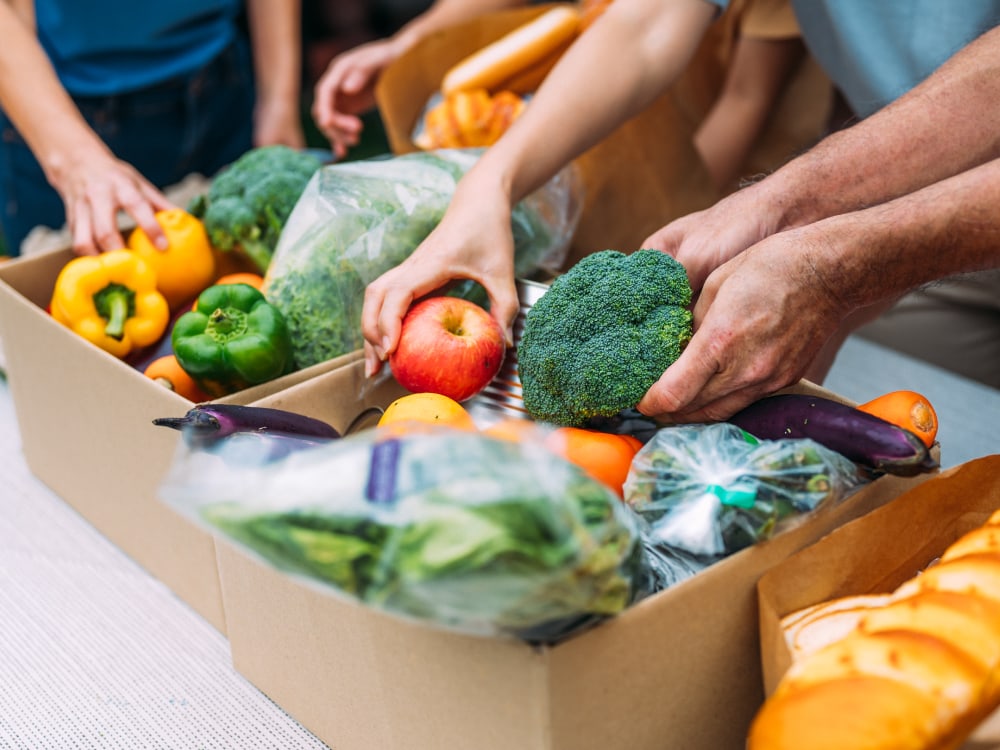
Students will research an organization working to combat food insecurity.
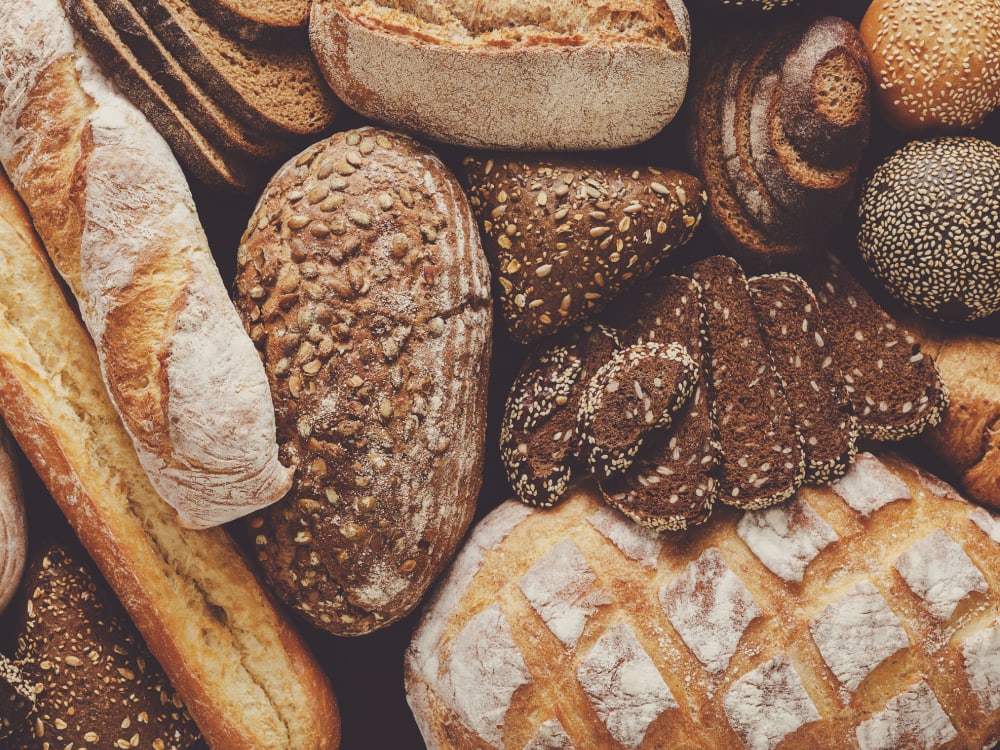
Students will compare and contrast different grains used around the world.
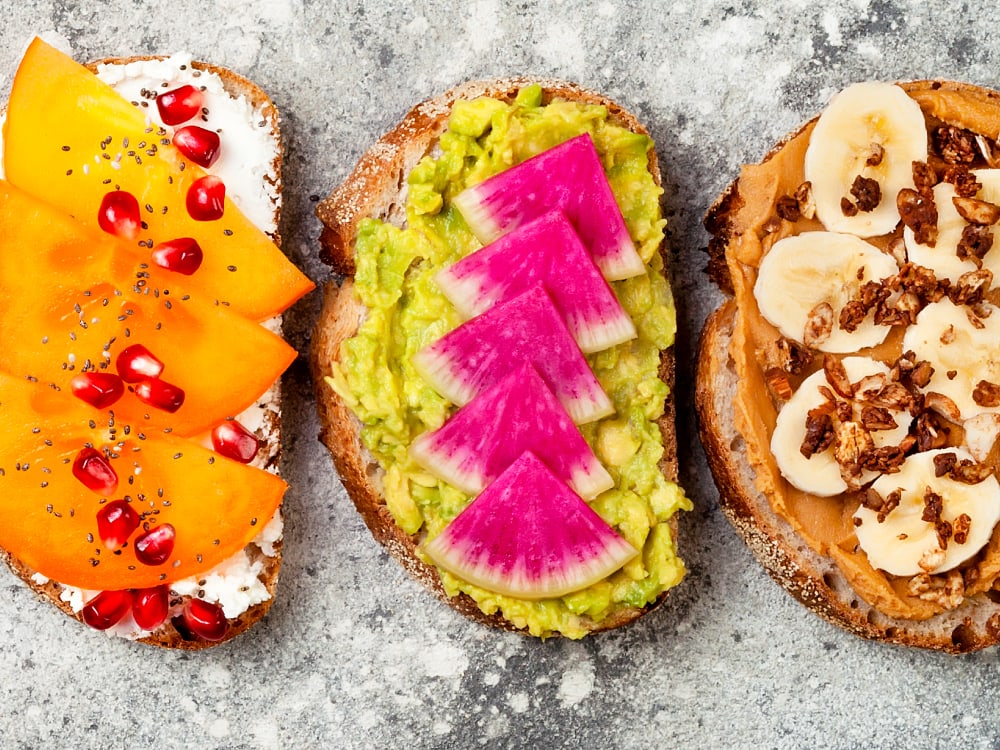
Students will investigate internal and external influences while creating a recipe for toast.
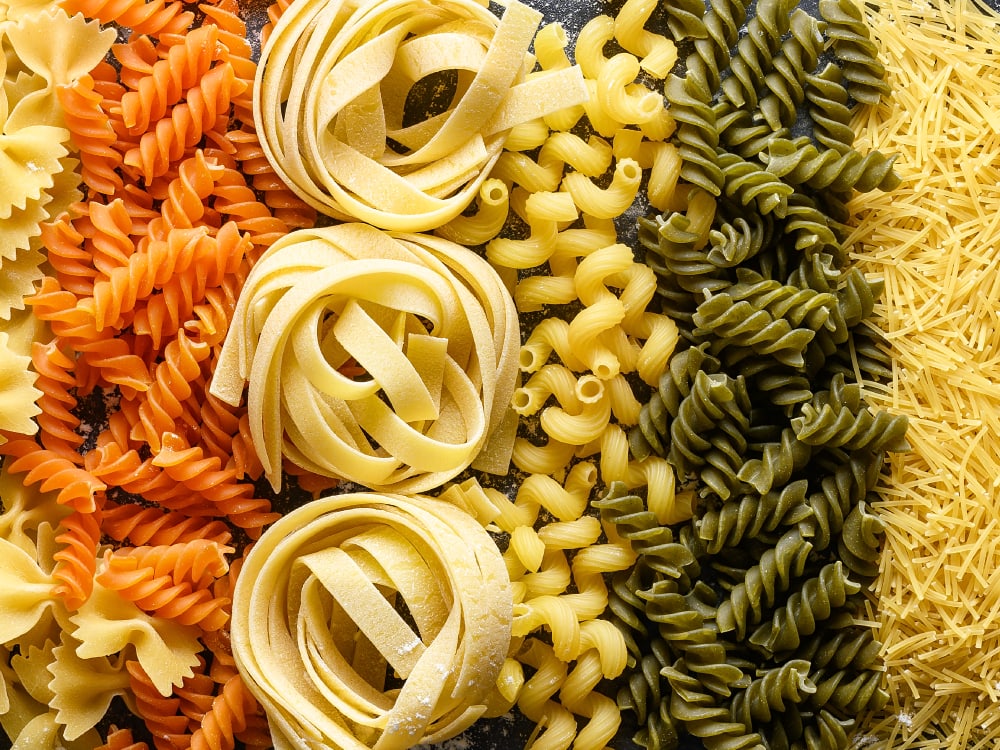
Students will explore how food connects us to our family by writing about a personal dish.
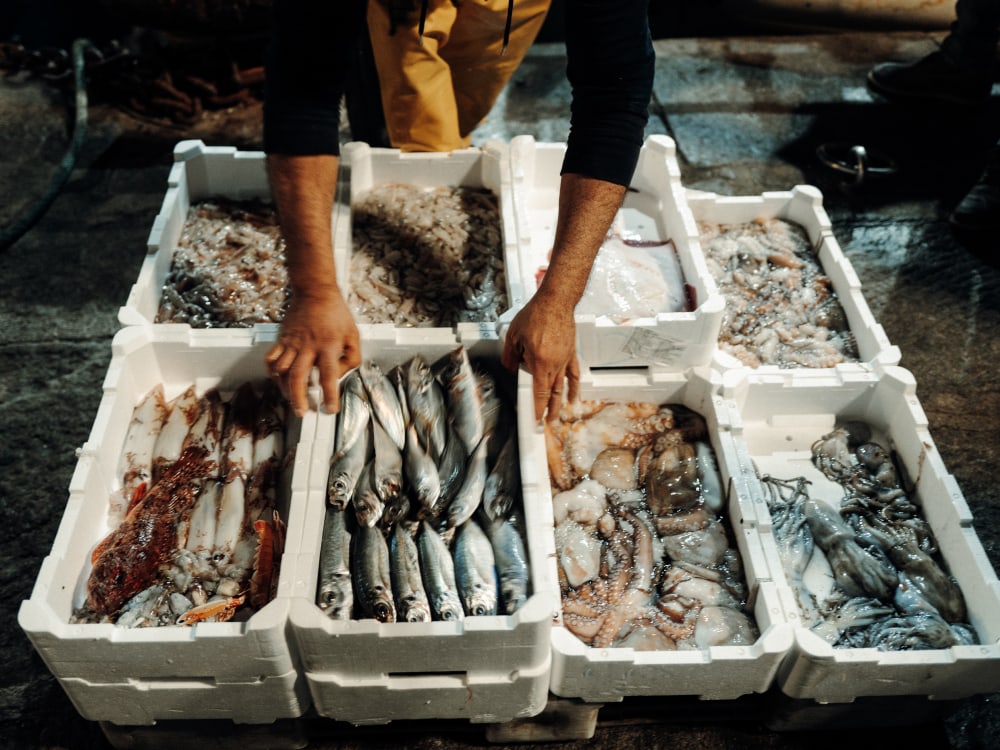
Students will research the environmental impact of fishing and seafood consumption, identify sustainable choices, and write a letter to explain the importance of choosing to eat sustainable seafood.
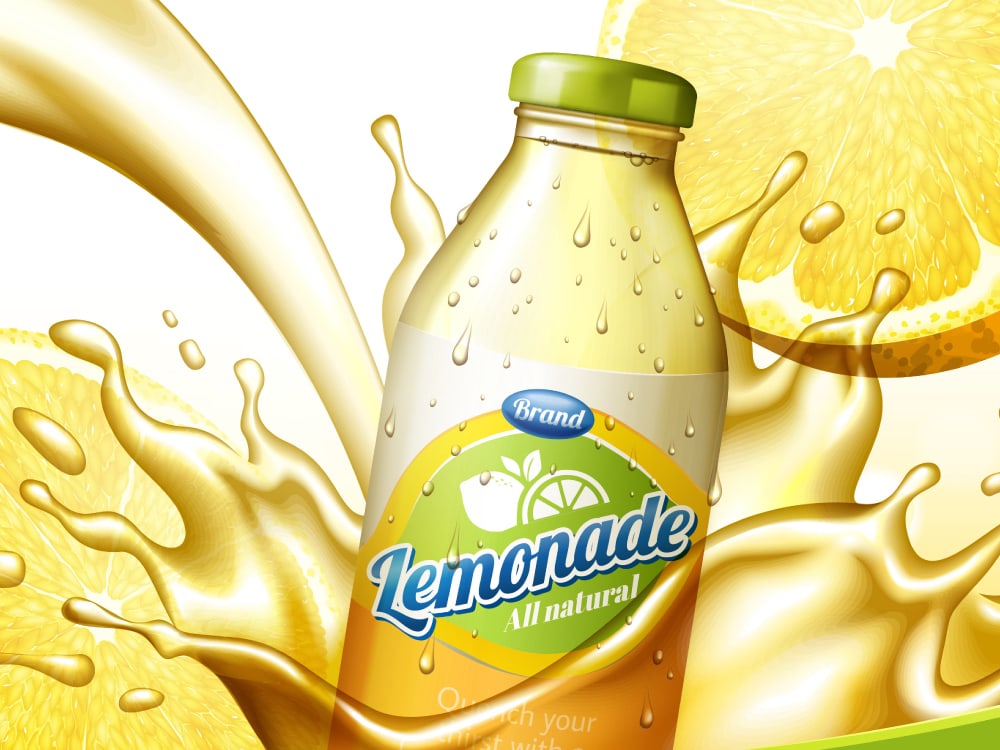
Students will learn how food behaviors are influenced by external and internal factors through looking at food advertisements.

Students investigate “power foods” for the brain.
Students will explore informed food choices by creating a food journal.
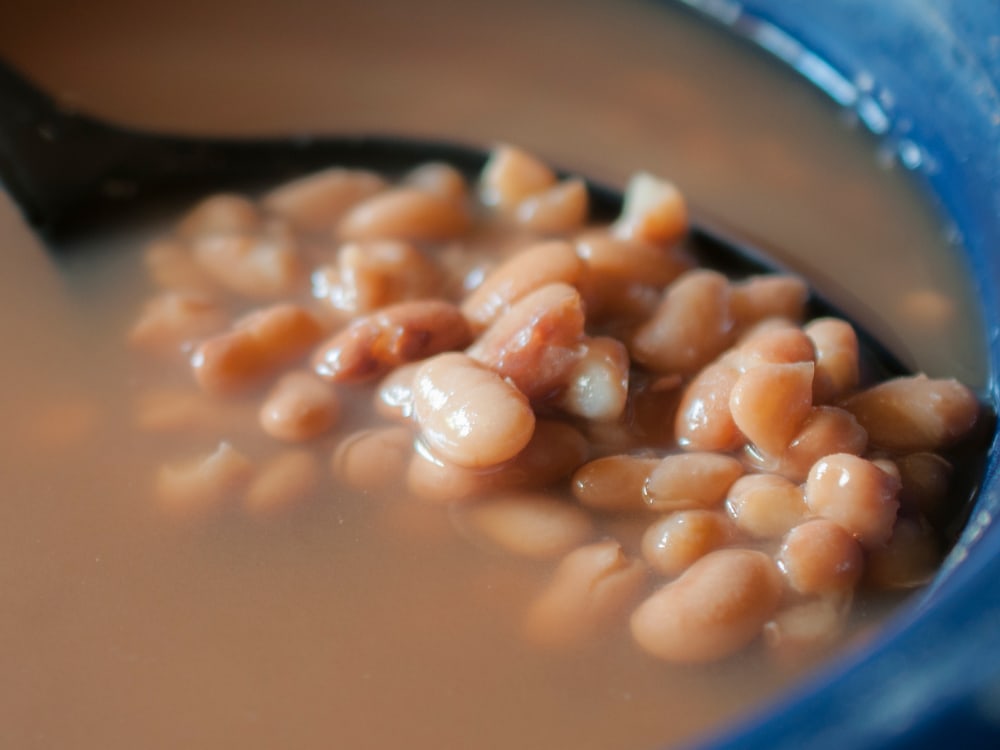
Students will learn how food behaviors are influenced by external and internal factors through investigating the factors that impact their food choices.
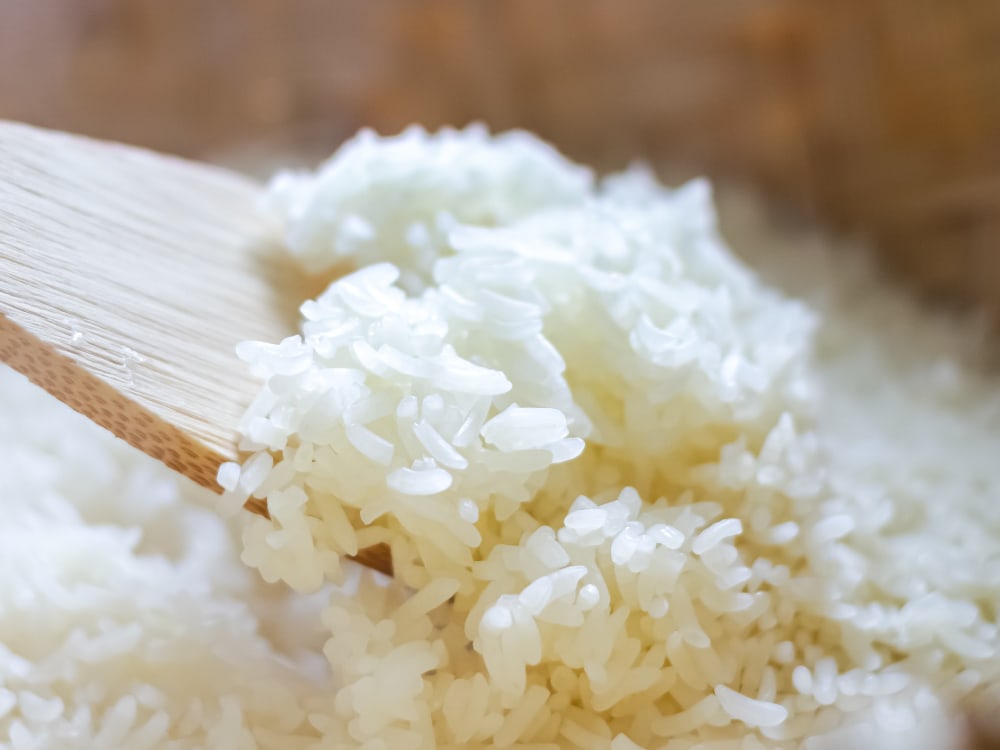
Students will learn about food sources and origins by watching how rice is grown and cooked in different ways around the world.
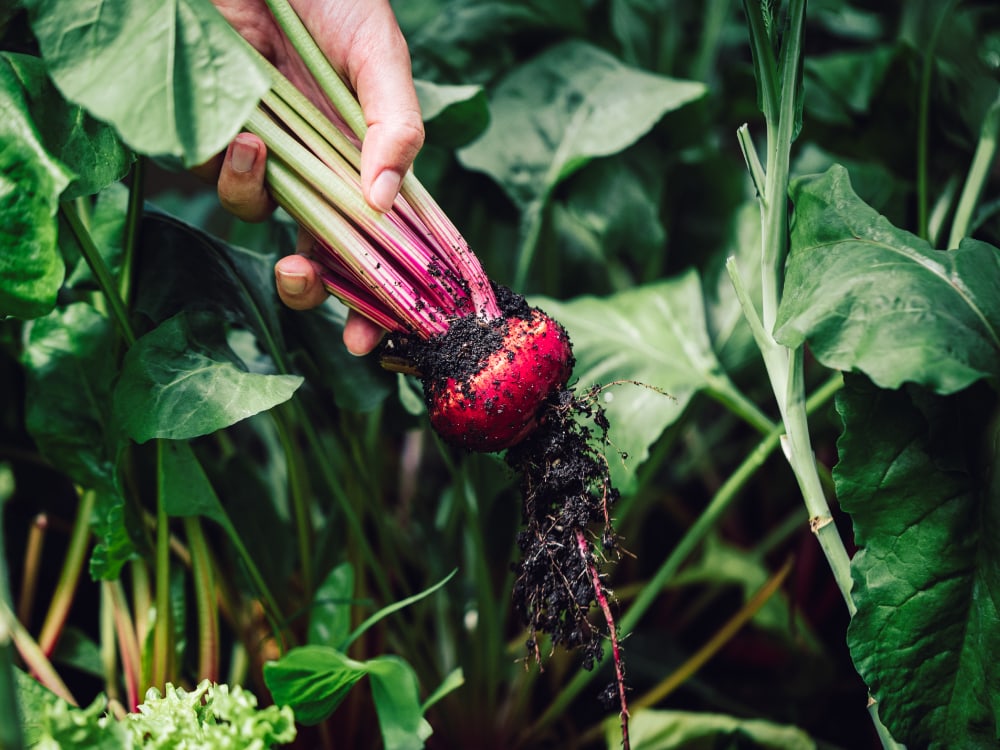
Students will learn about food sources and origins by through comparing and contrasting two different types of fruits or vegetables.
Students will learn how to make informed heart-healthy food choices.

Students will discover the negative effects food deserts have on communities and will design a grocery store to aid a community in their area.
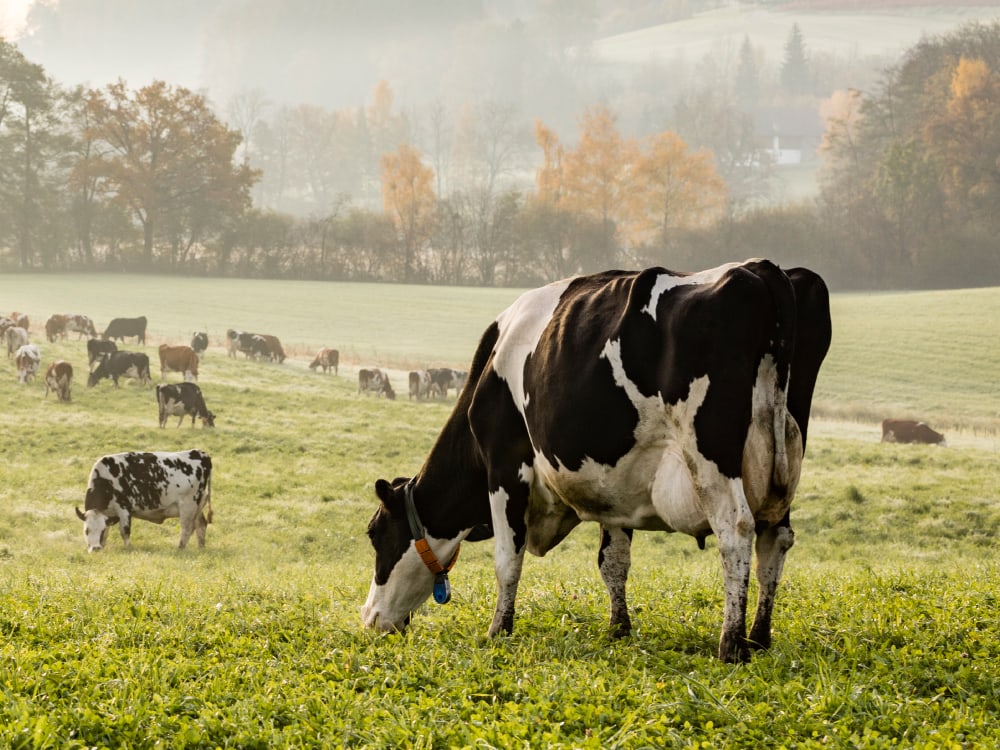
Students will better understand how human activity contributes to climate change.
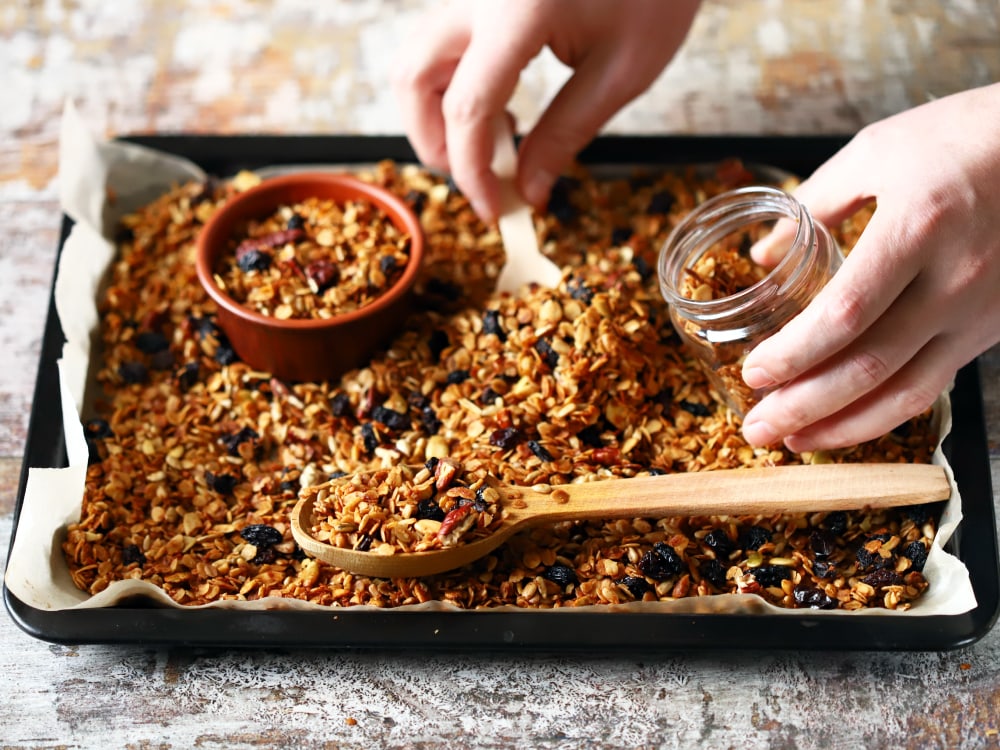
Students will create a personal recipe for granola.
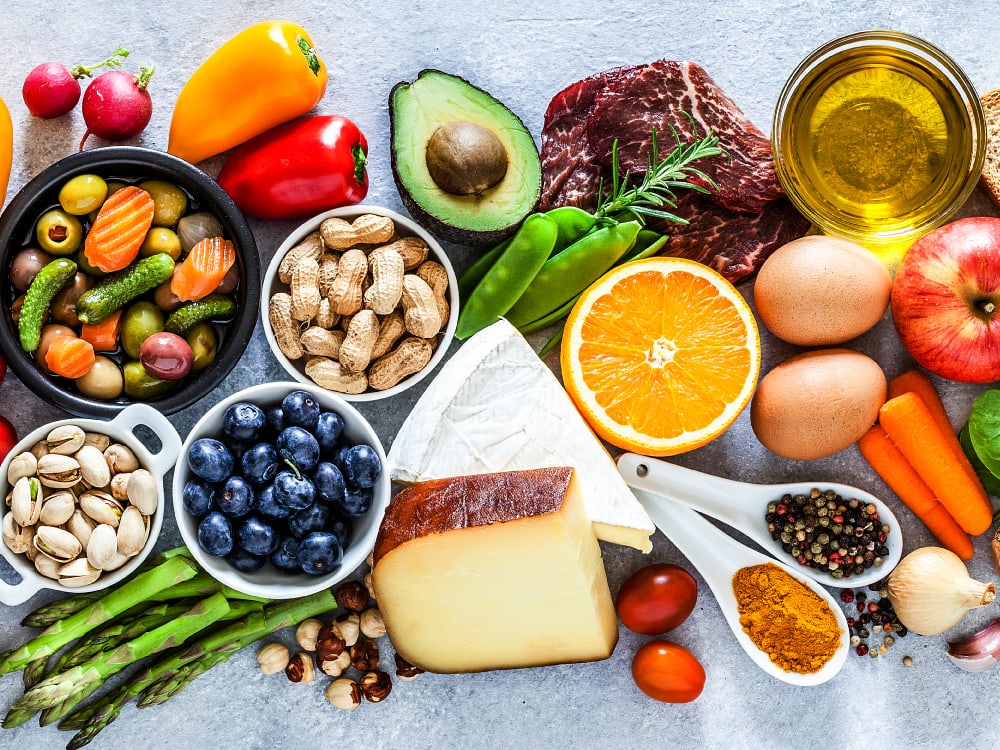
Students will learn how food impacts health by researching the importance of a specific nutrient group.
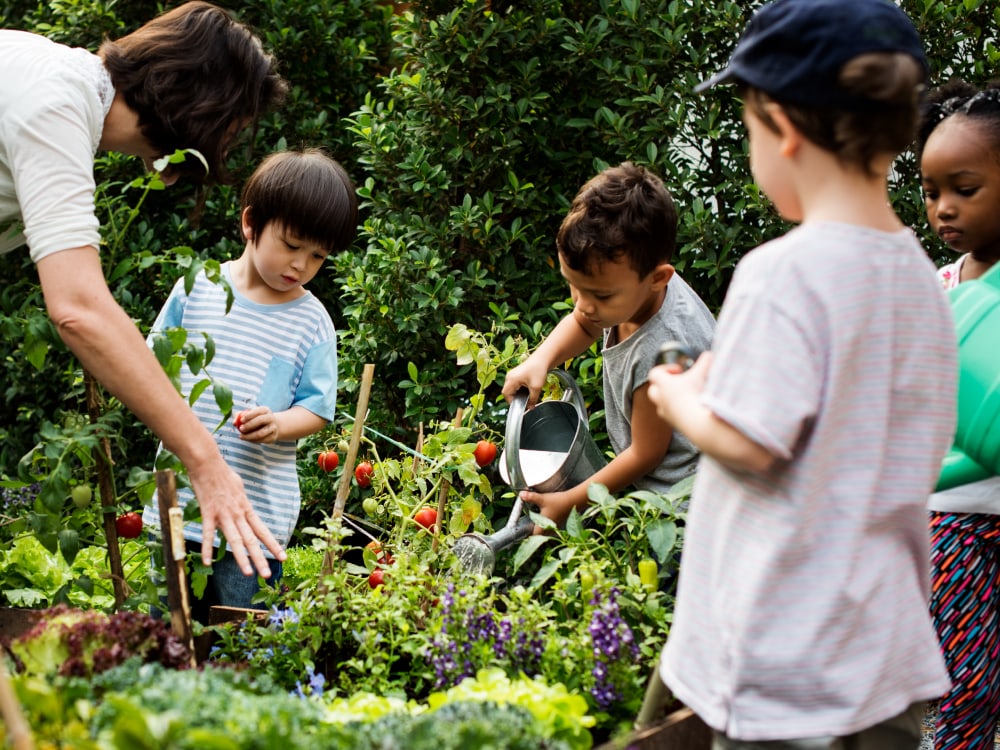
Students will learn how food and the environment are interconnected through the lens of gardening.
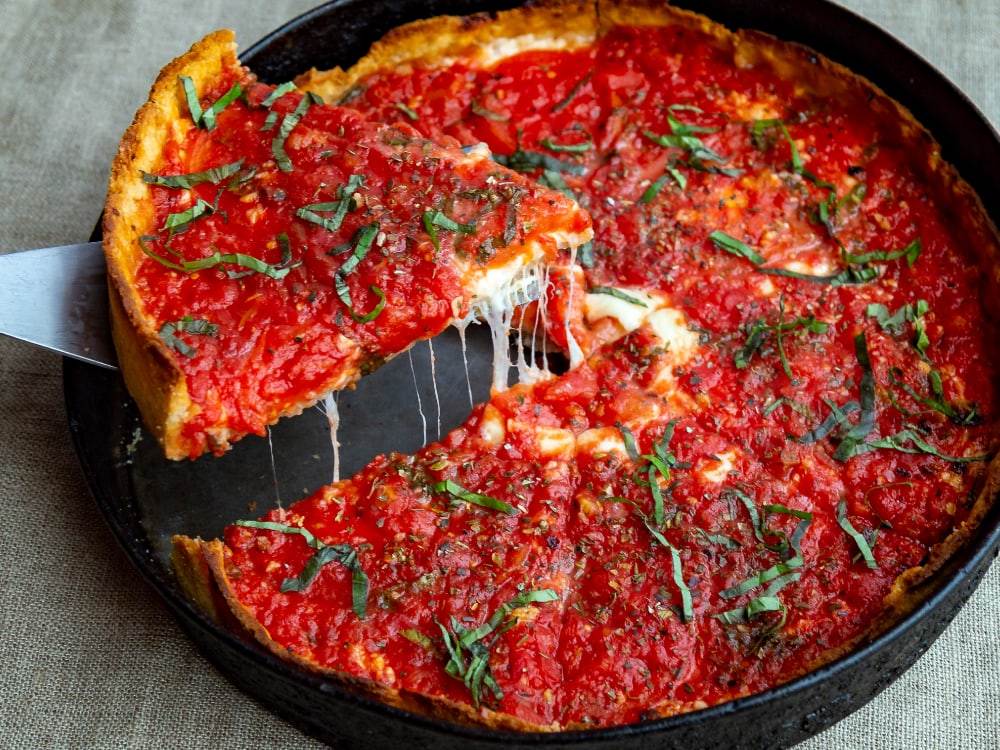
Students will research neighborhoods in their city and create a signature pizza representing to represent.
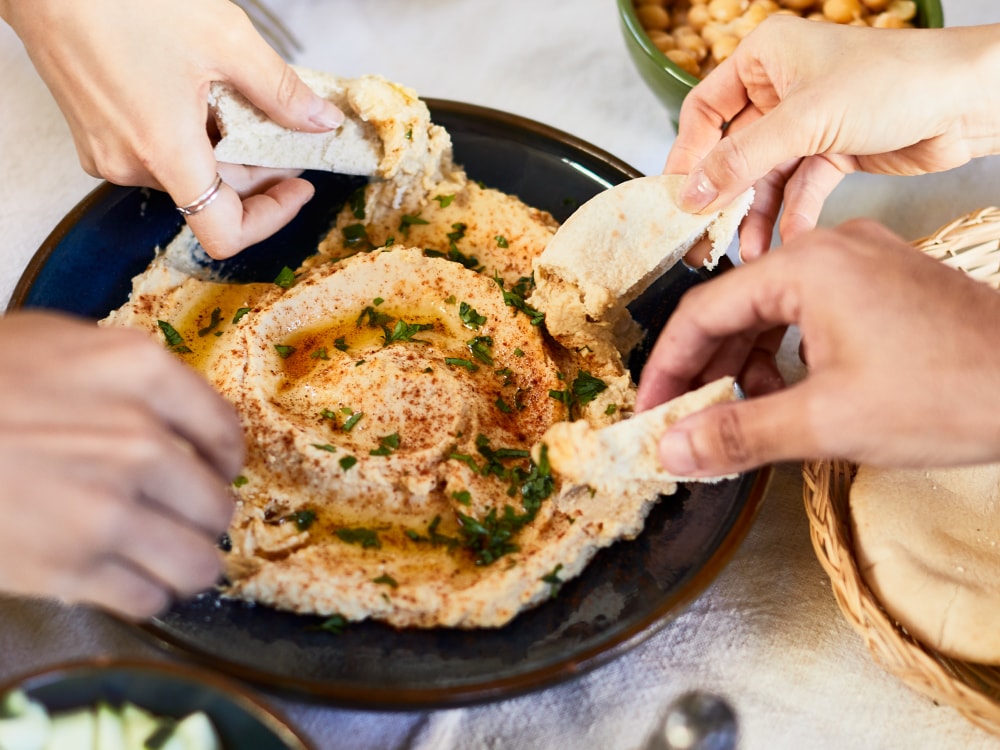
Students will create a recipe similar to one that could be found in a refugee camp, identify living conditions of refugees, recall issues that refugees face concerning food, identify ways to be more understanding of others’ relationship with food, and manipulate recipes using problem-solving skills.
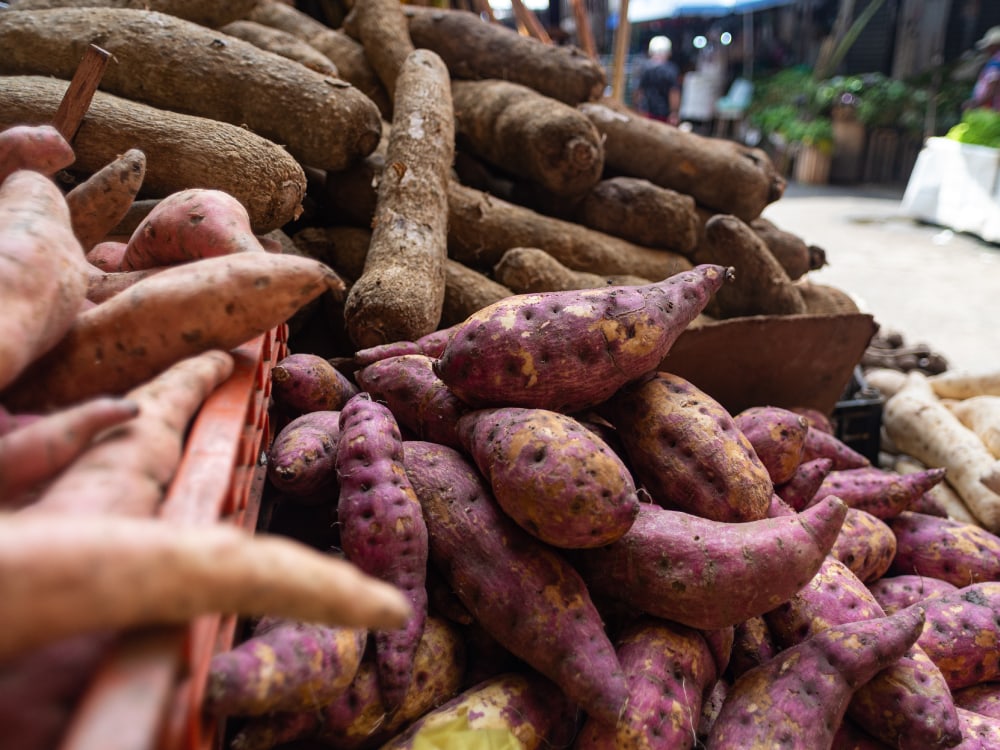
Students will investigate the health benefits, origins, and the ways we consume root vegetables, specifically sweet potatoes & yams.
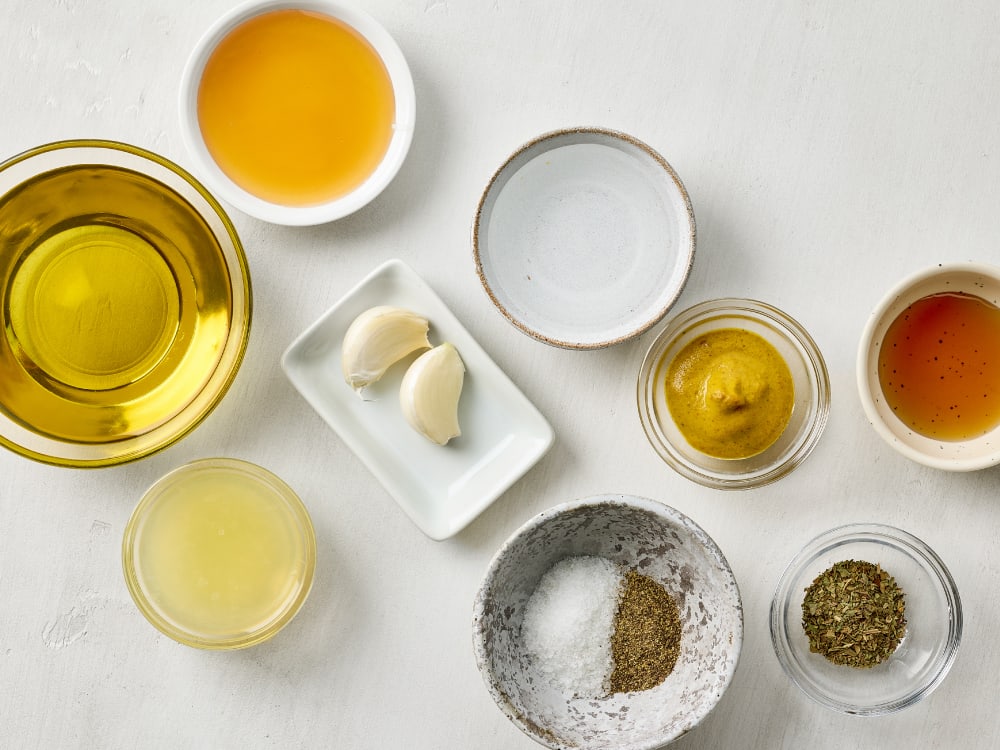
Students will understand the characteristics of mixtures and solutions by creating their own salad dressings.
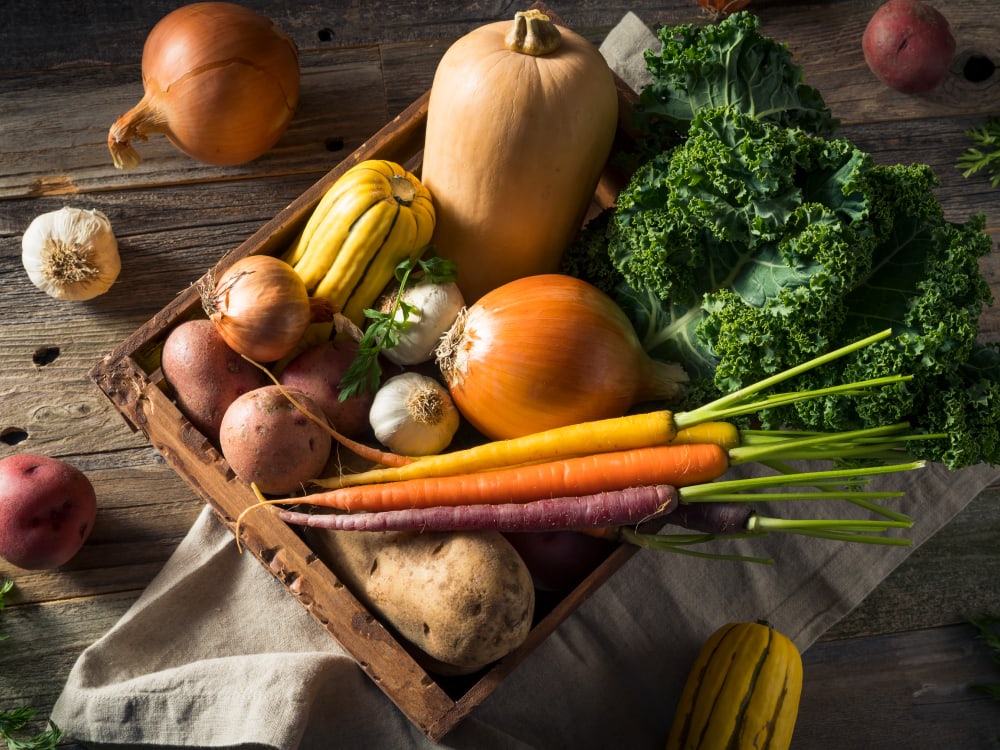
Students will learn about seasonality and taste local produce.
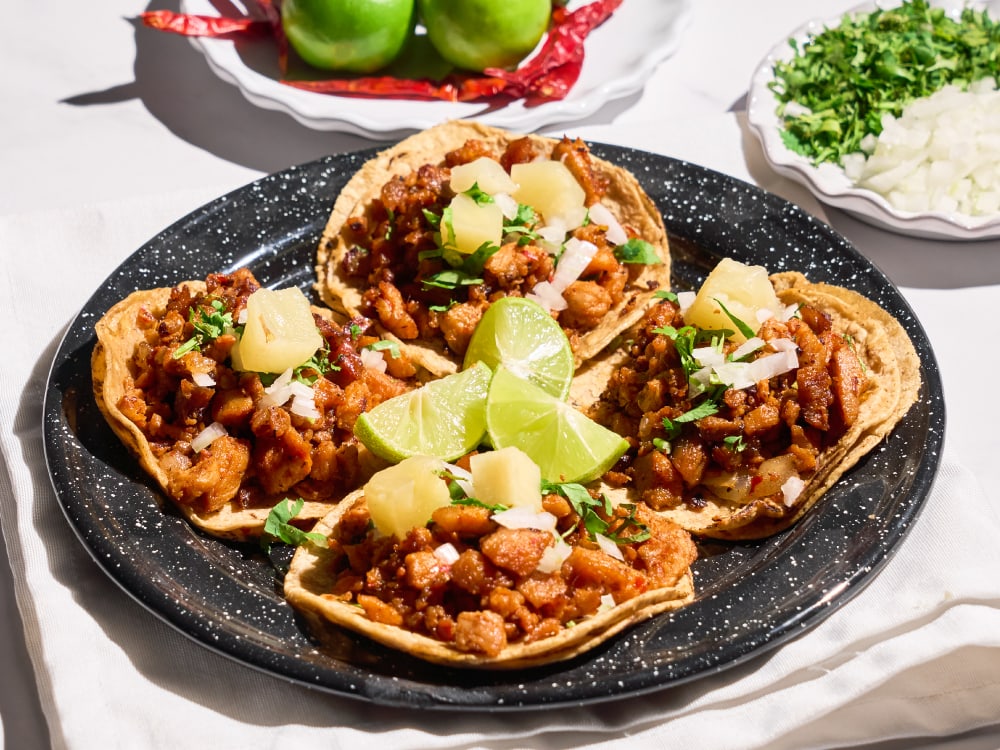
Students will interpret and identify the sources and origins of different foods and their ingredients by analyzing immigration patterns and learning about different cultures.
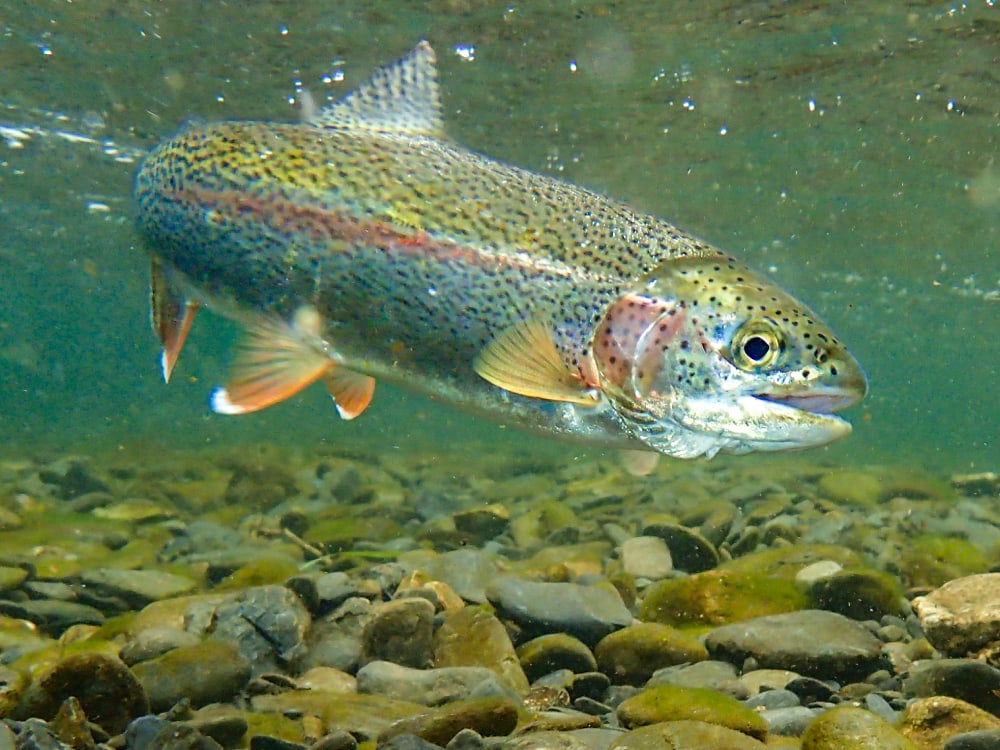
Students will learn about food sources and origins by learning how fish move from water to our table.
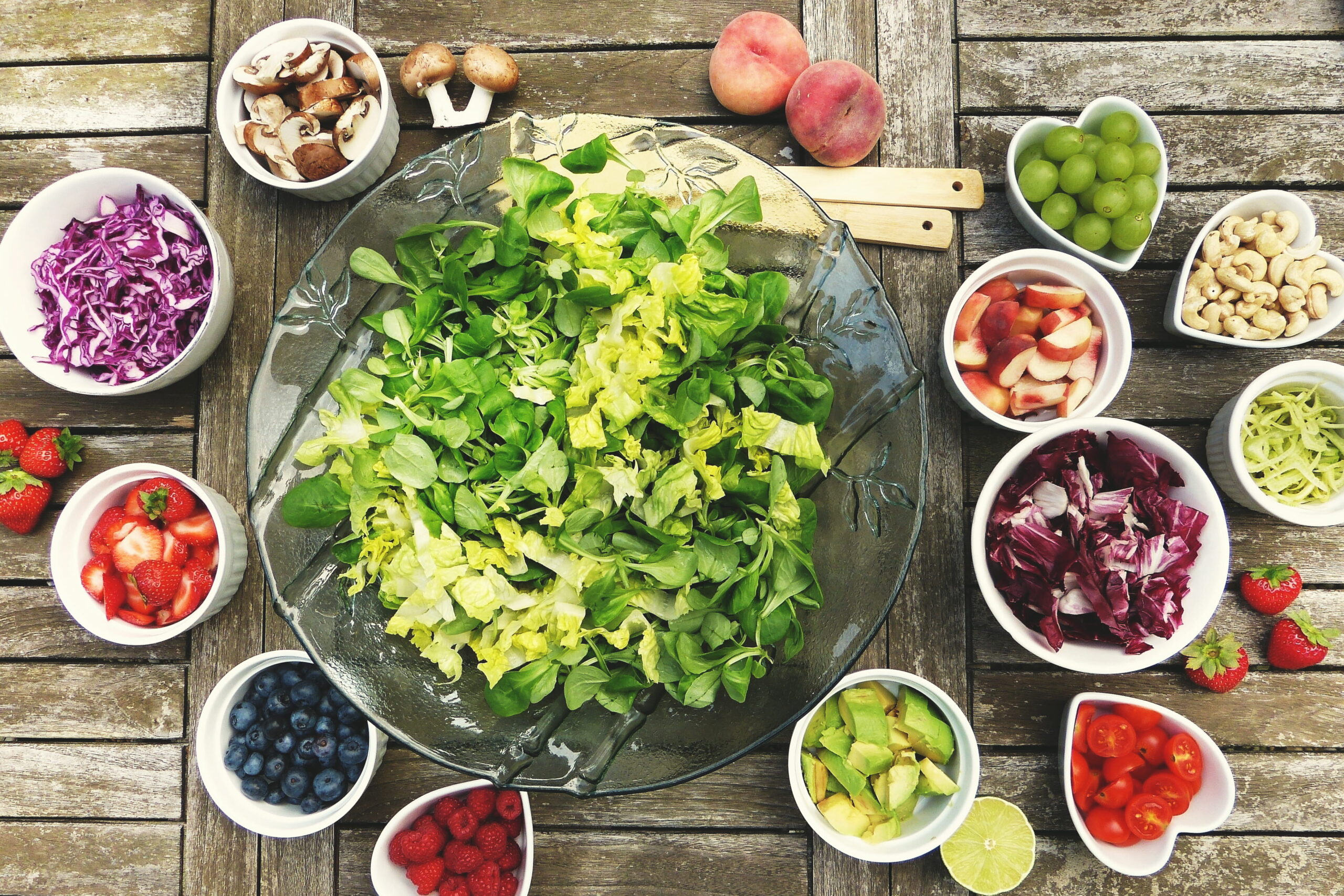
Students will use food as an engaging context to build descriptive writing skills.
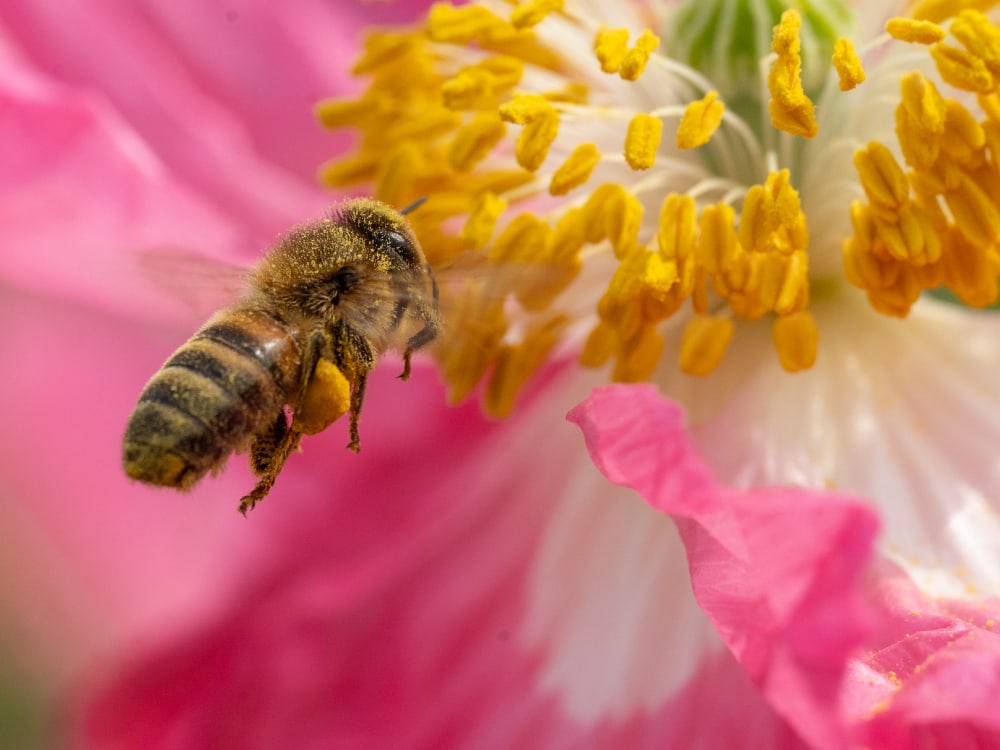
Students will learn about and calculate angles in nature through the lens of honeybees.
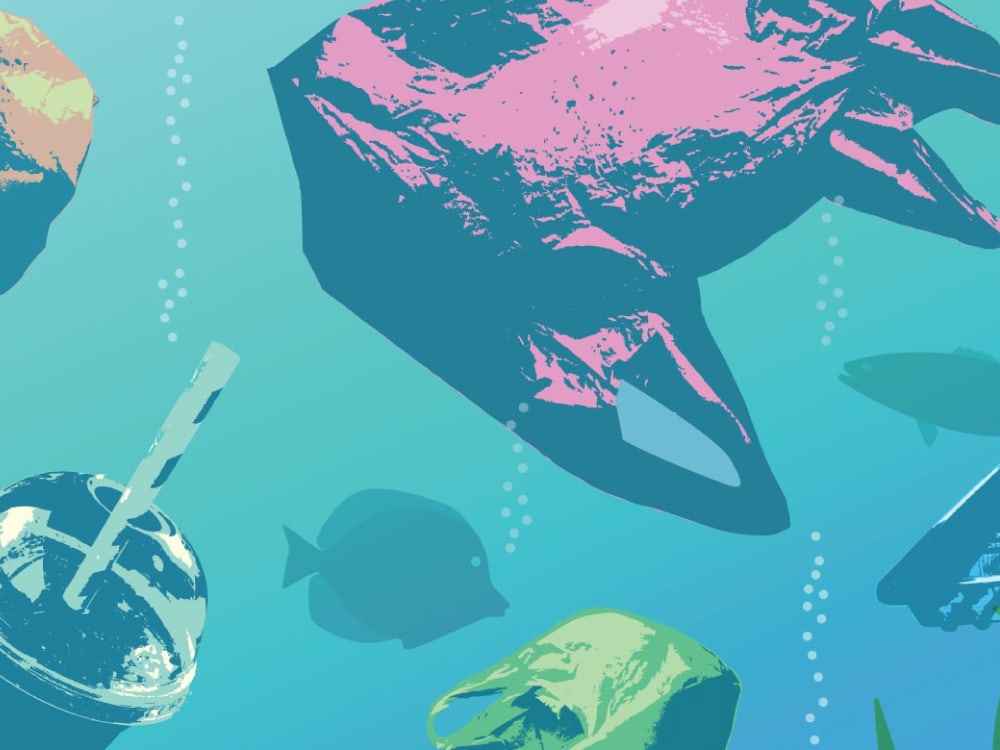
Students will learn how we can advocate for food choices and changes that impact ourselves.
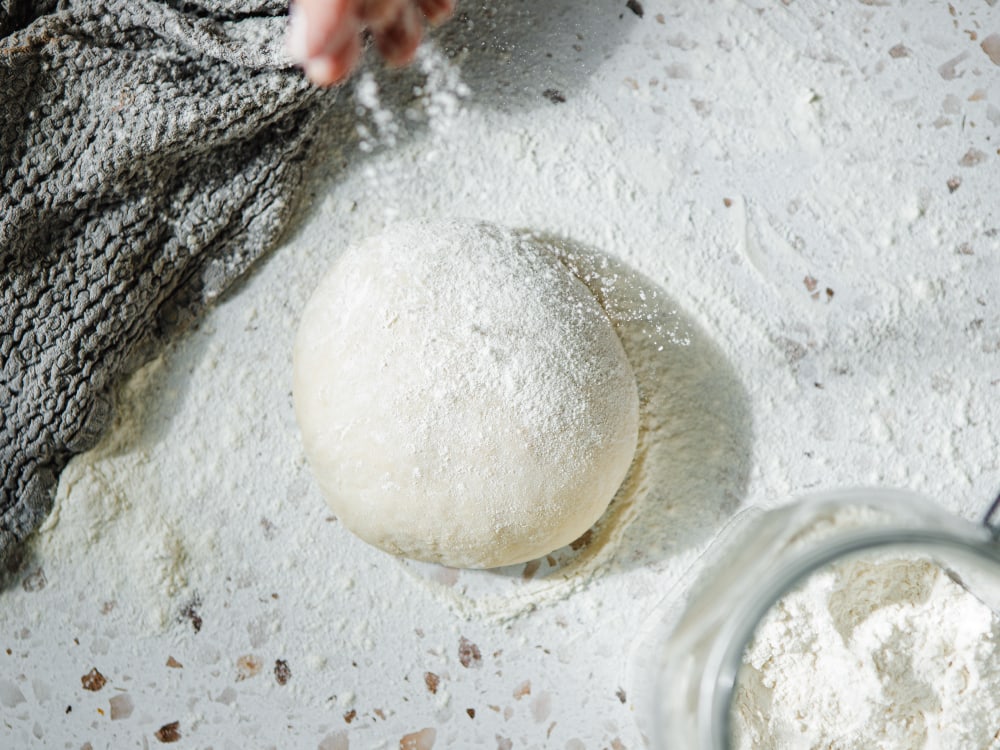
Students will be able to describe what gluten is and how it impacts our health.
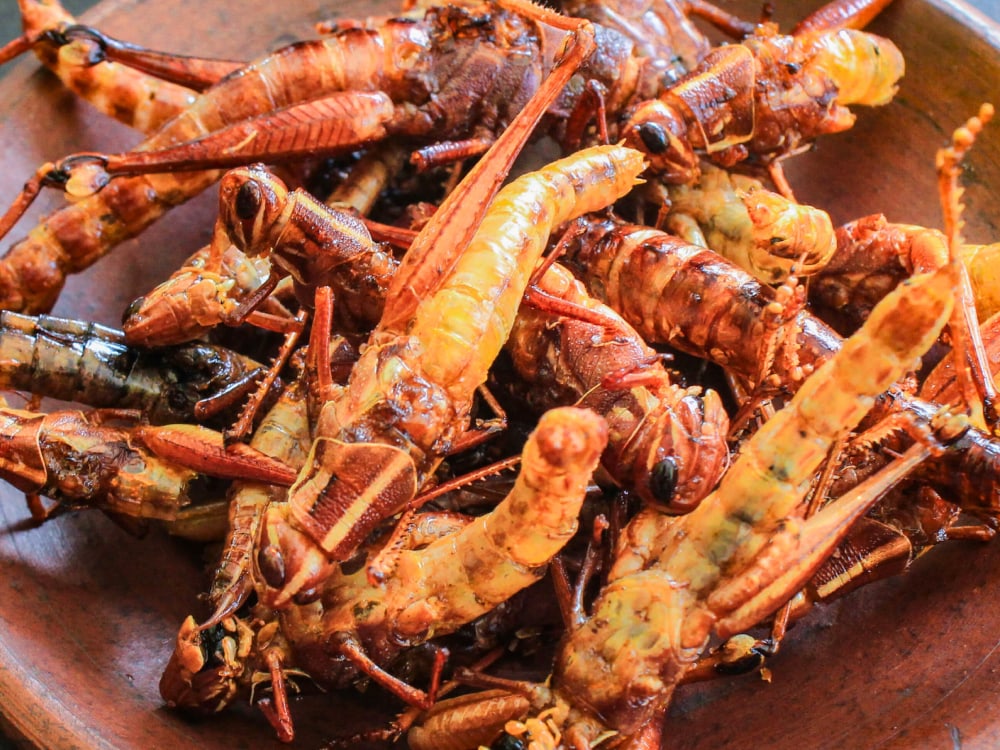
Students will understand the impacts of agriculture on the environment and identify foods that are better for the environment.
Students will compare two recipes and determine the healthier choice by calculating the percentages of nutrients in each.
Students will investigate the benefits of Vitamin C in our overall health and wellness.
Students will reflect on how their ingredient choices are the result of their unique backgrounds.
Be the first to learn about new lessons!