Sign up for free to access 200+ lessons and filter by grade, subject, and standards.
Sign Up Member Login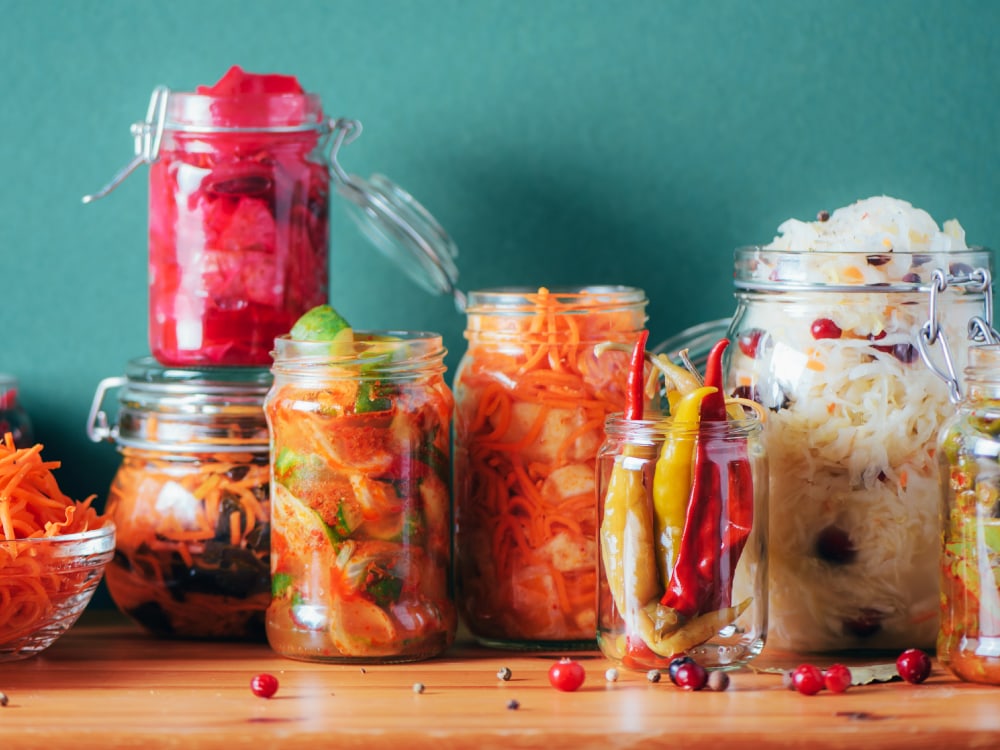
Students will investigate environmental and cultural characteristics of different countries through fermented foods.
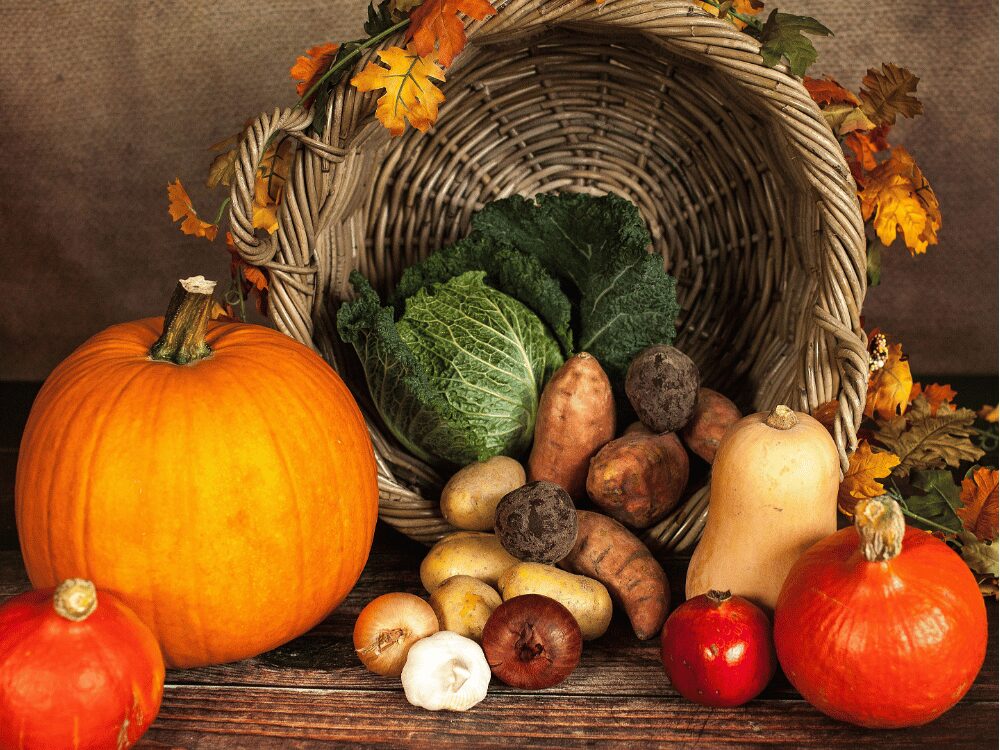
Students research the food traditions involved in different fall celebrations around the world.
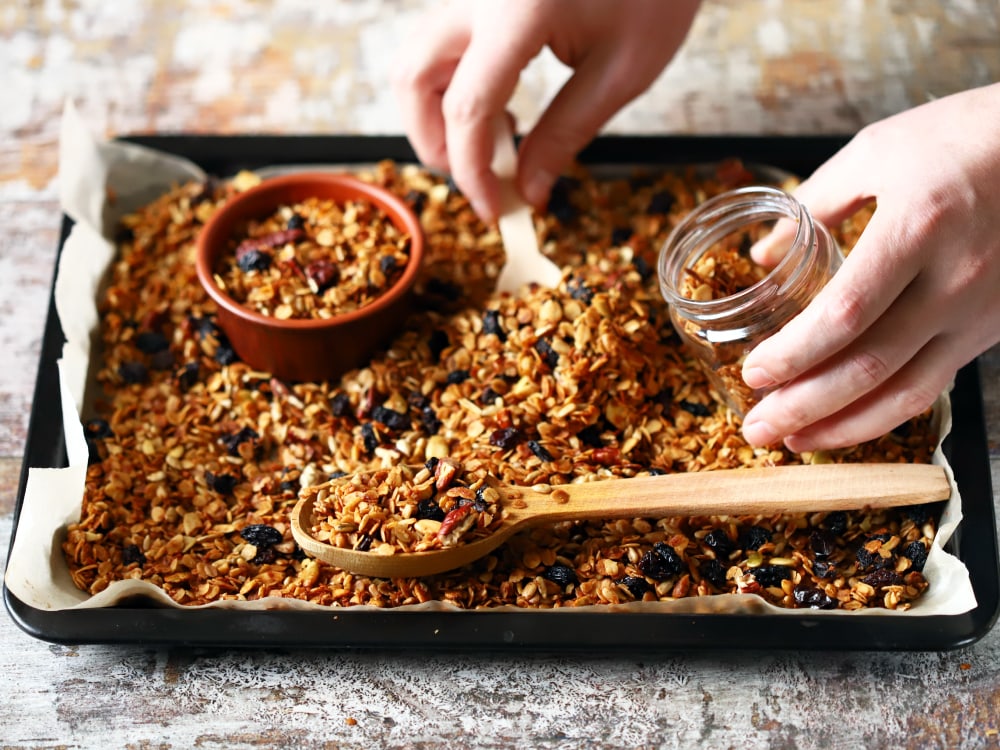
Students will understand that informed food choices are personal.
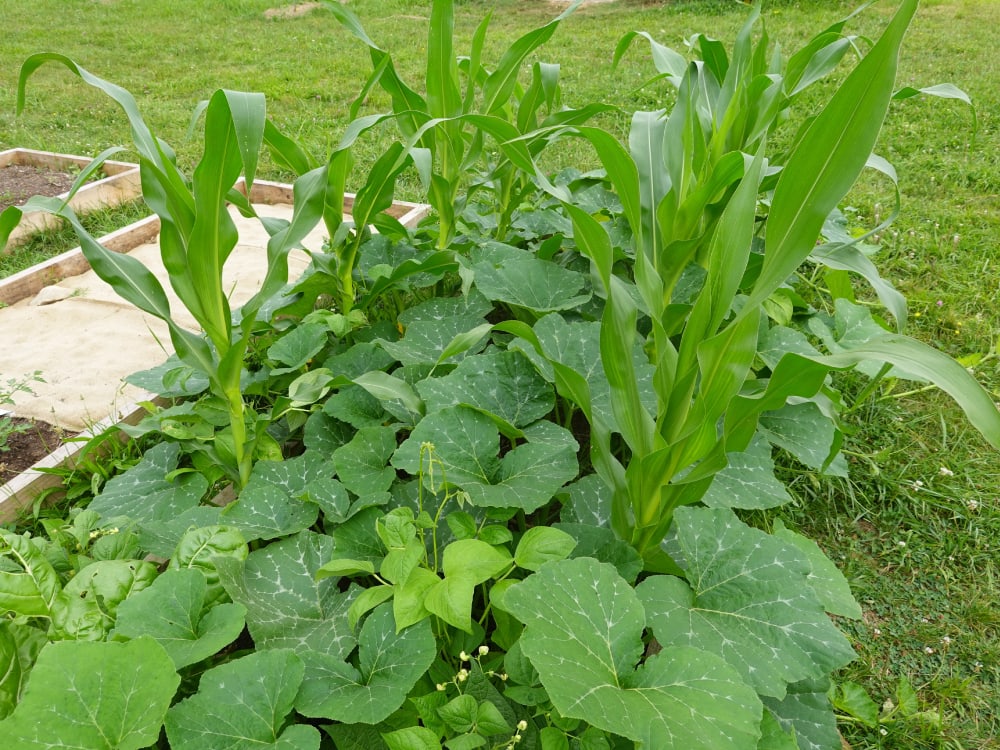
Students will discover why corn, beans, and squash are considered “three sisters” in agriculture.
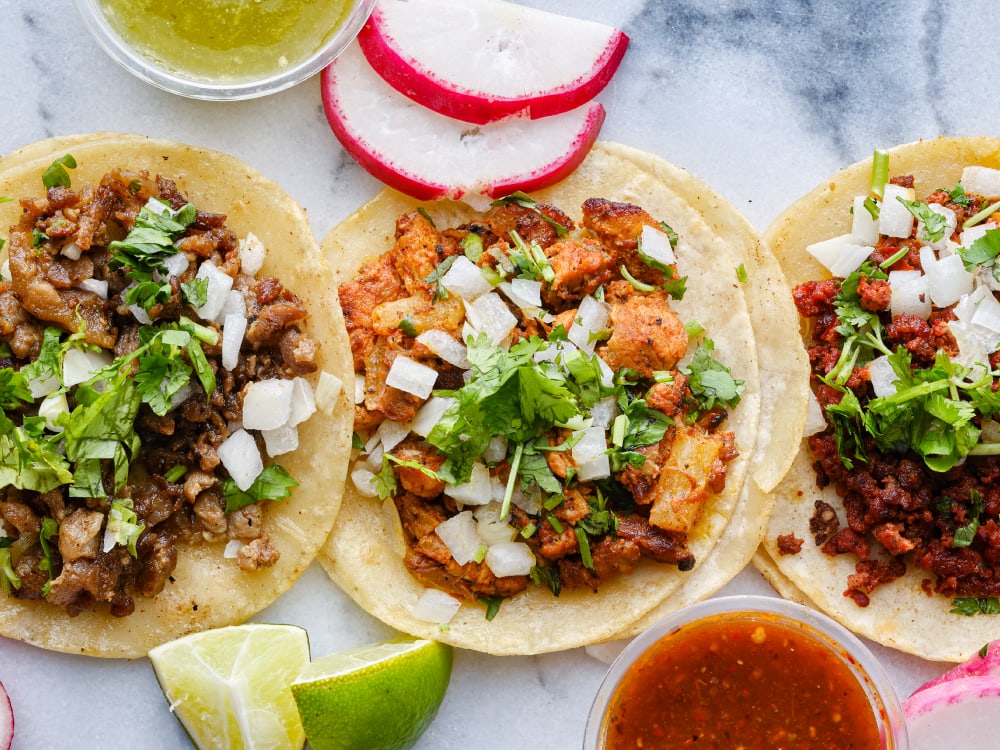
Students will beer understand the cuisine of other cultures by learning about the origin of tacos.
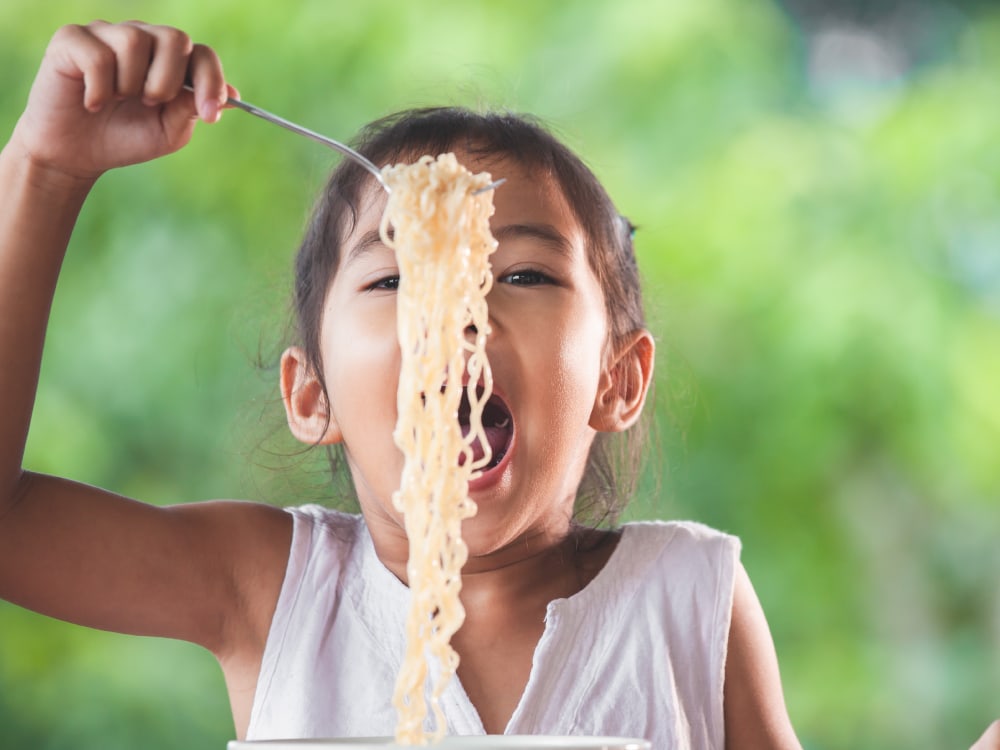
Students will learn about the origins of pasta around the world and how to connect through a common ingredient.
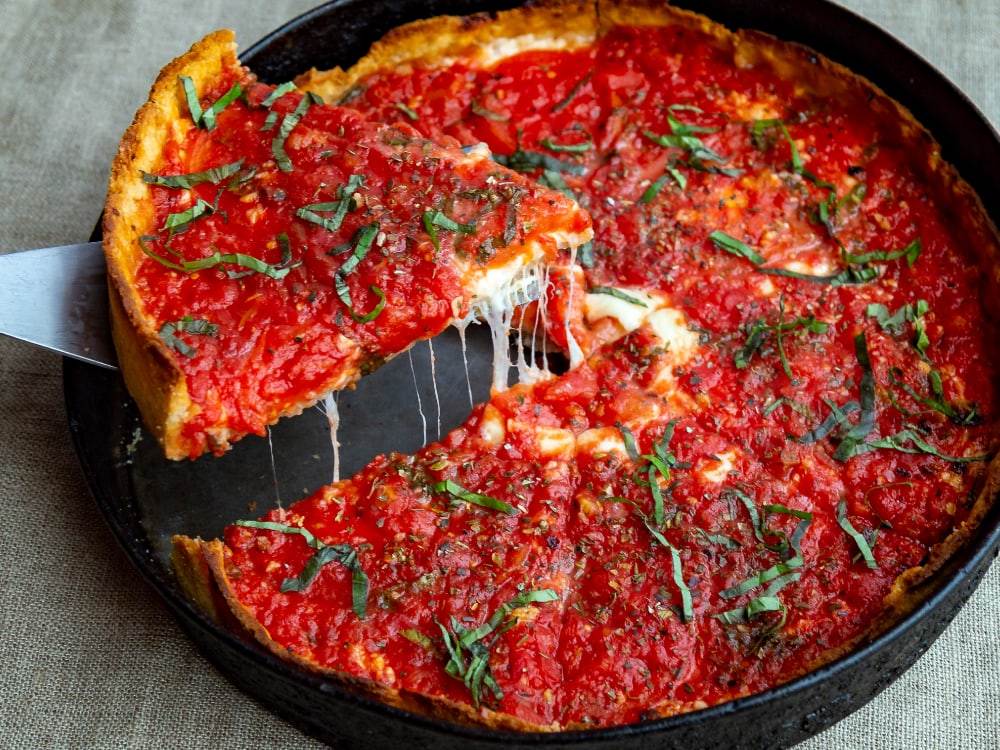
Students will research neighborhoods in their city and create a signature pizza representing to represent.
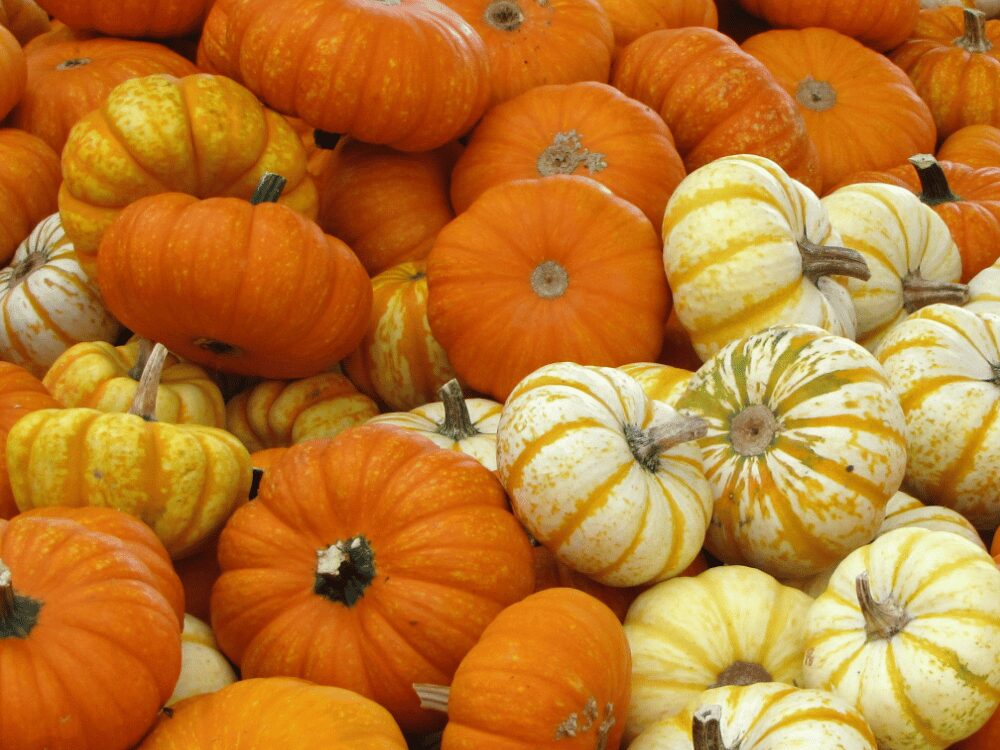
Students identify the parts of a pumpkin and discuss the impact of seasonality on food systems.
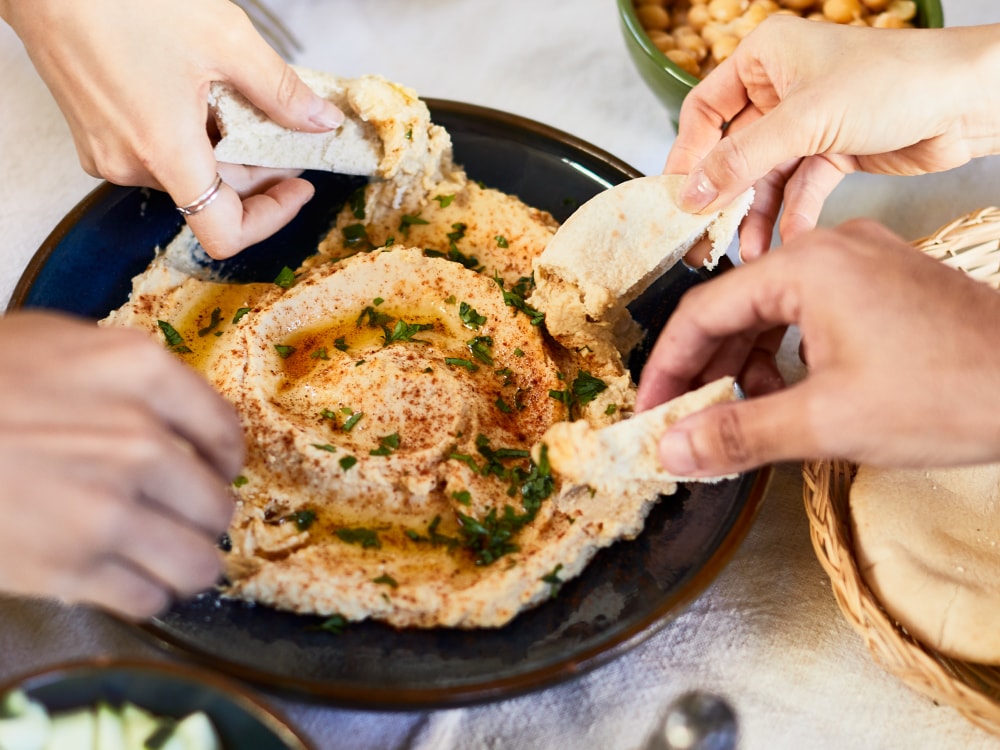
Students will create a recipe similar to one that could be found in a refugee camp, identify living conditions of refugees, recall issues that refugees face concerning food, identify ways to be more understanding of others’ relationship with food, and manipulate recipes using problem-solving skills.
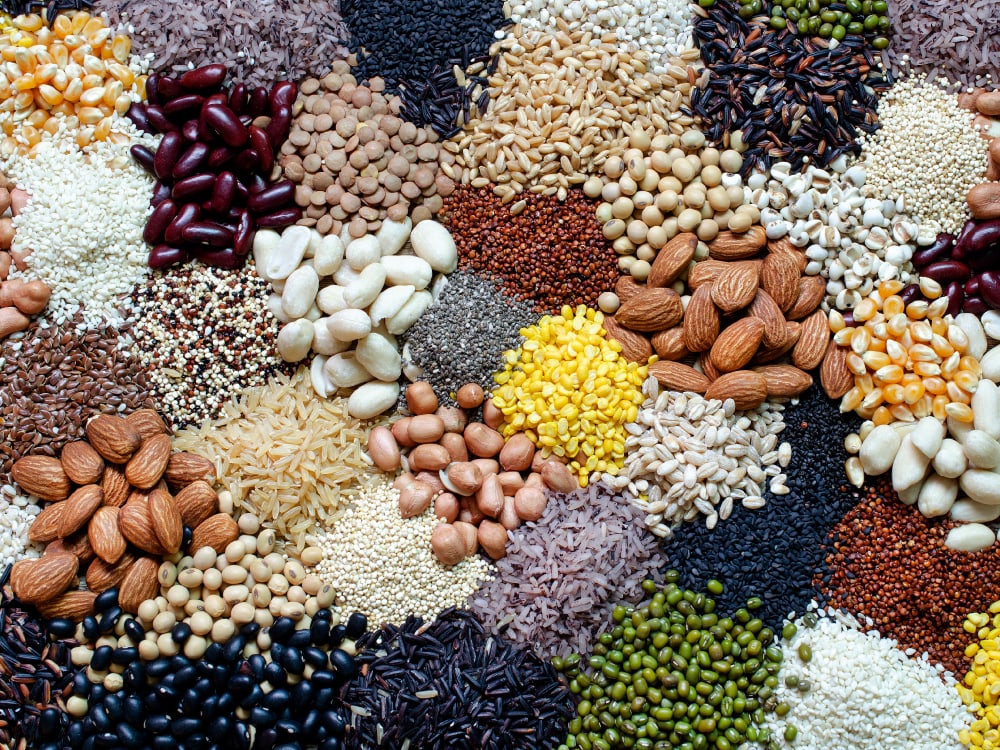
Students will understand how geographical features impact the way we live and the foods that are available to us by mapping seeds, grains, and nuts.
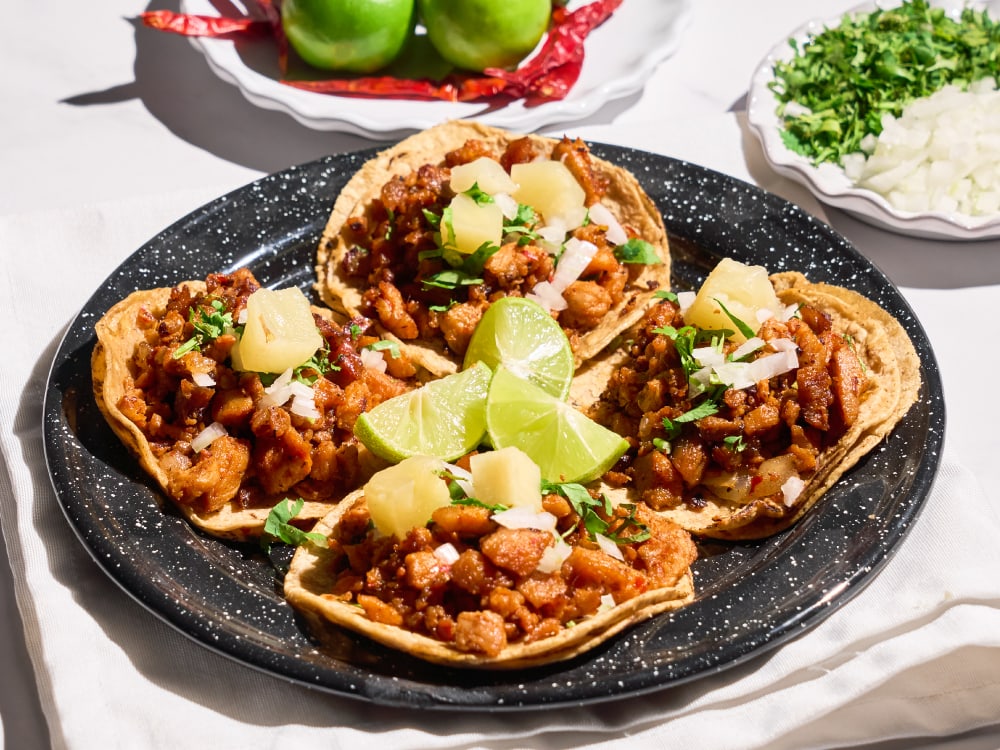
Students will interpret and identify the sources and origins of different foods and their ingredients by analyzing immigration patterns and learning about different cultures.
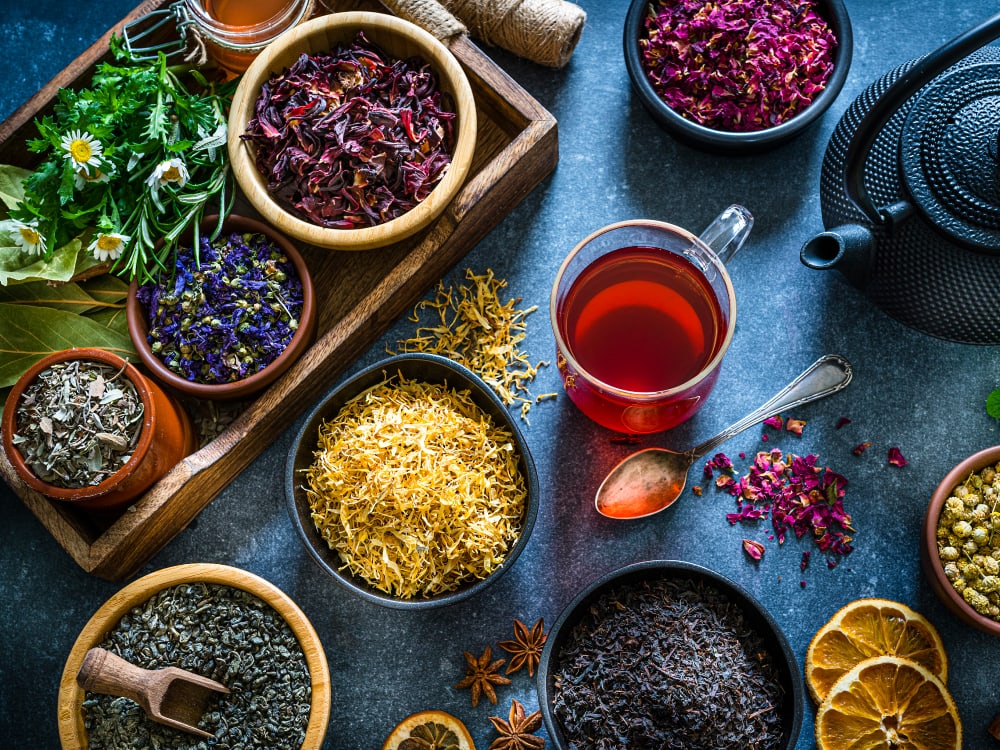
Students will evaluate the economic causes and effects of England’s tax policies on the colonies.
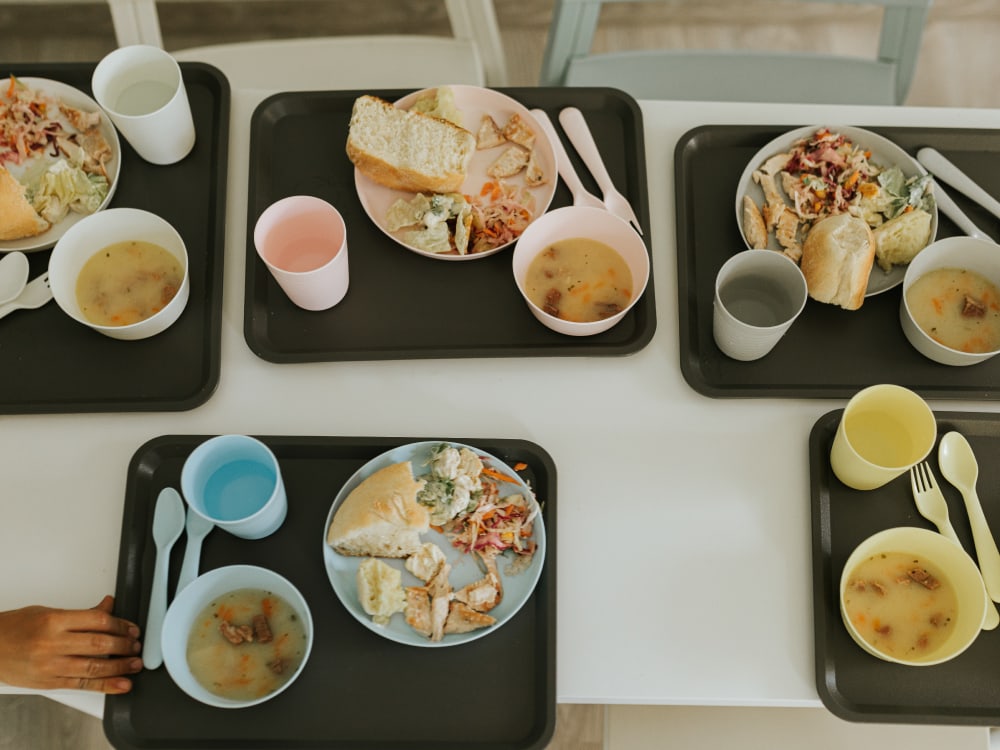
Students will better understand food’s role in our history and food’s relation to socio-economic status.
Students will compare different nutrition labels.
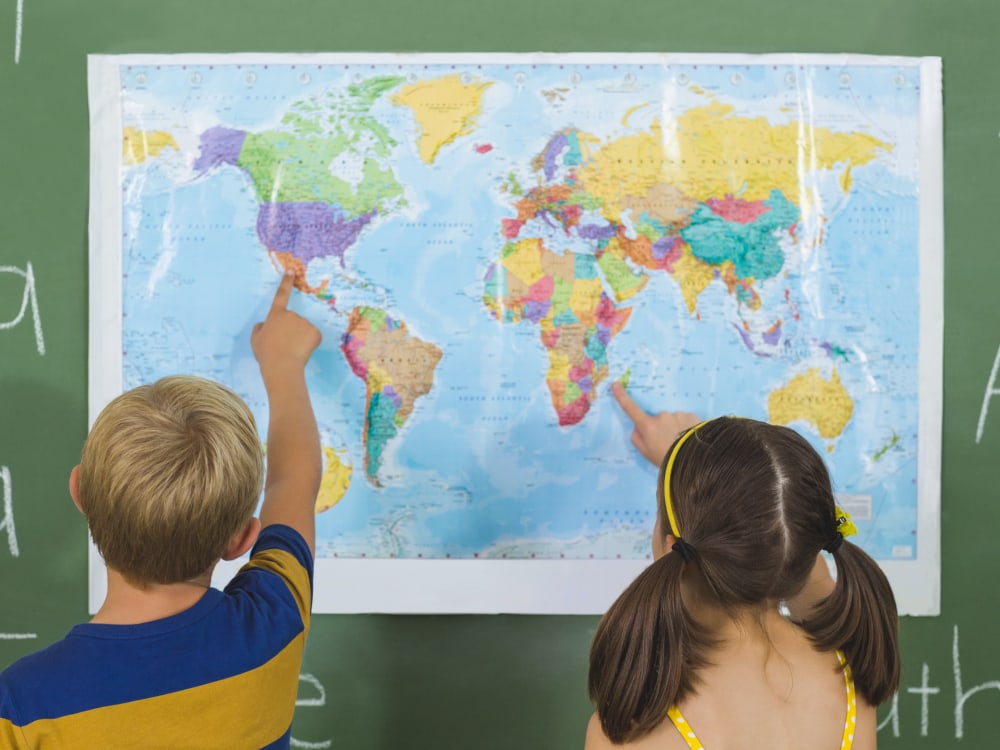
Students will learn more about geography by identifying areas of the world where food is produced and the steps it might take from farm to table.
Students will reflect on how their ingredient choices are the result of their unique backgrounds.
Be the first to learn about new lessons!