
Sign up for free to access 200+ lessons and filter by grade, subject, and standards.
Sign Up Member Login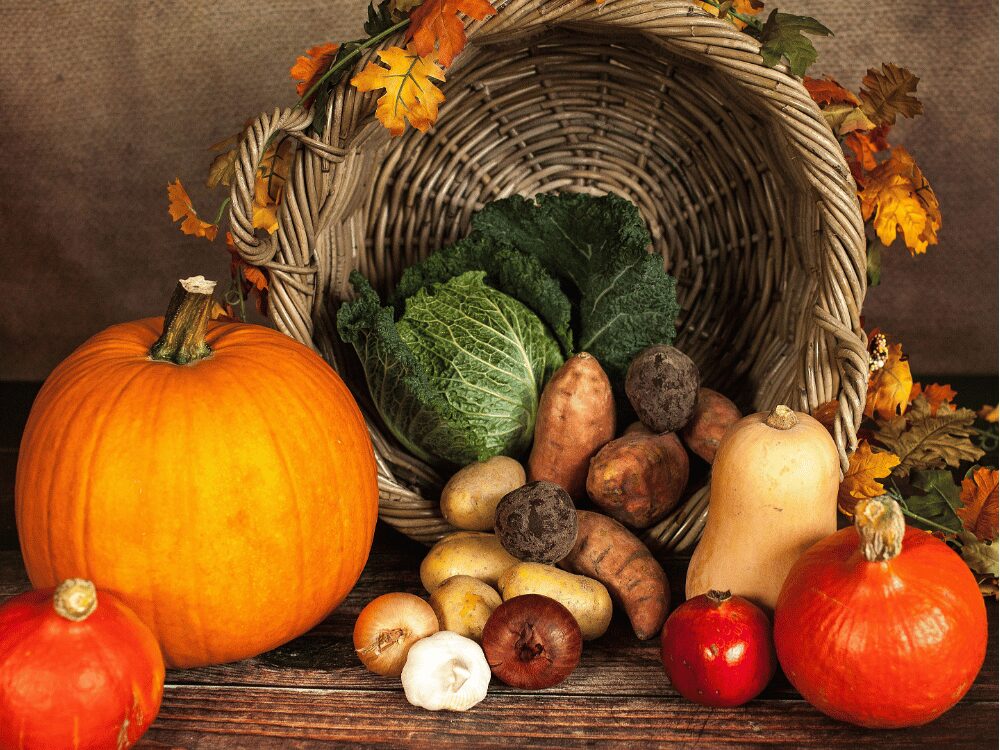
Students research the food traditions involved in different fall celebrations around the world.
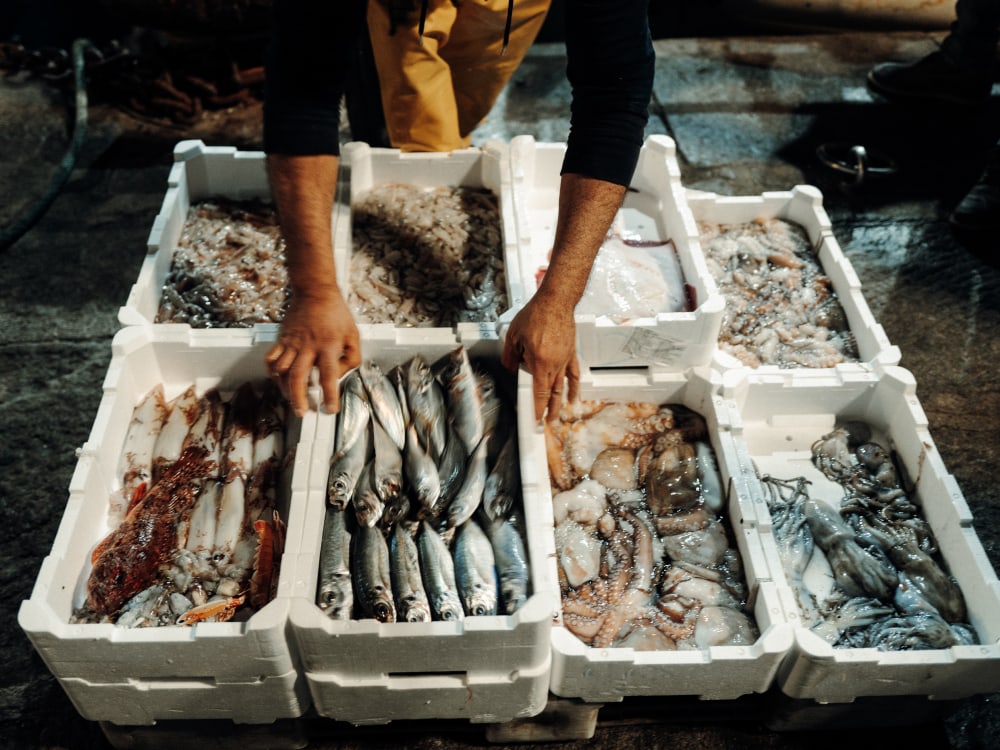
Students will research the environmental impact of fishing and seafood consumption, identify sustainable choices, and write a letter to explain the importance of choosing to eat sustainable seafood.
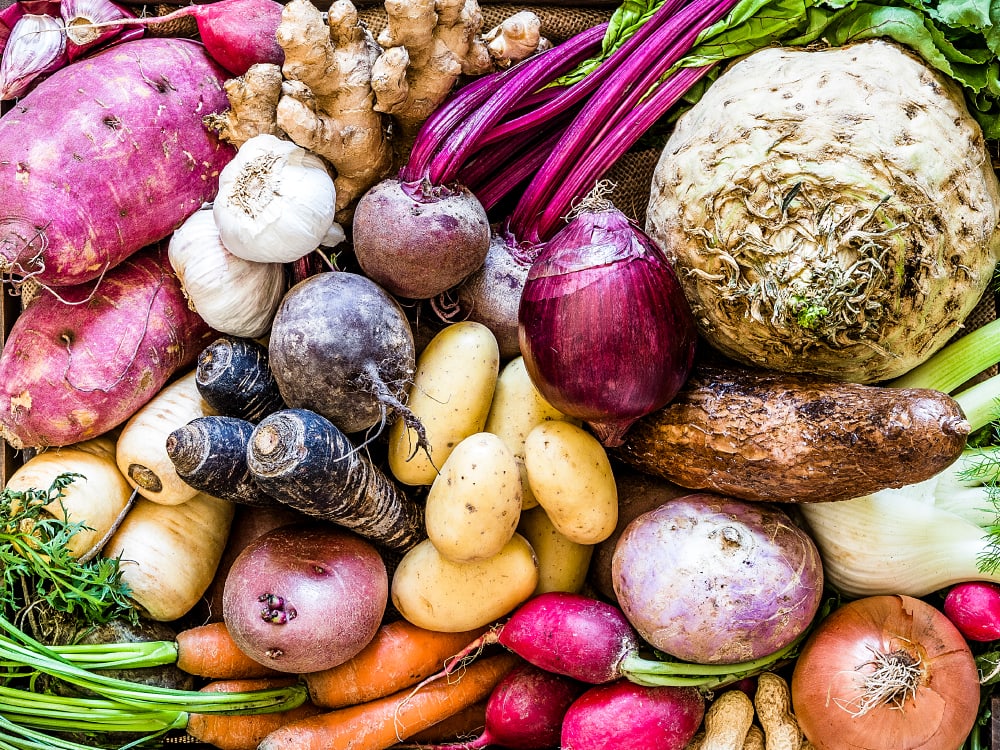
Students will uncover the origins of various root vegetables to gain an understanding of its uses, benefits, and the best ways to consume them.
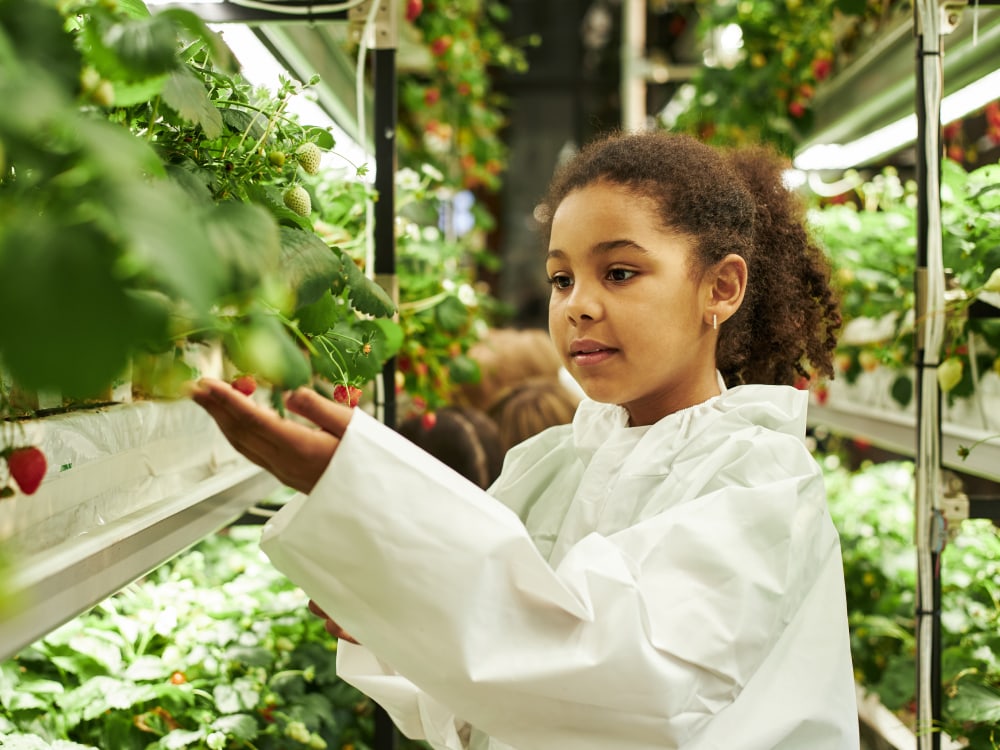
Students will learn how food and the environment are interconnected by researching growing methods.
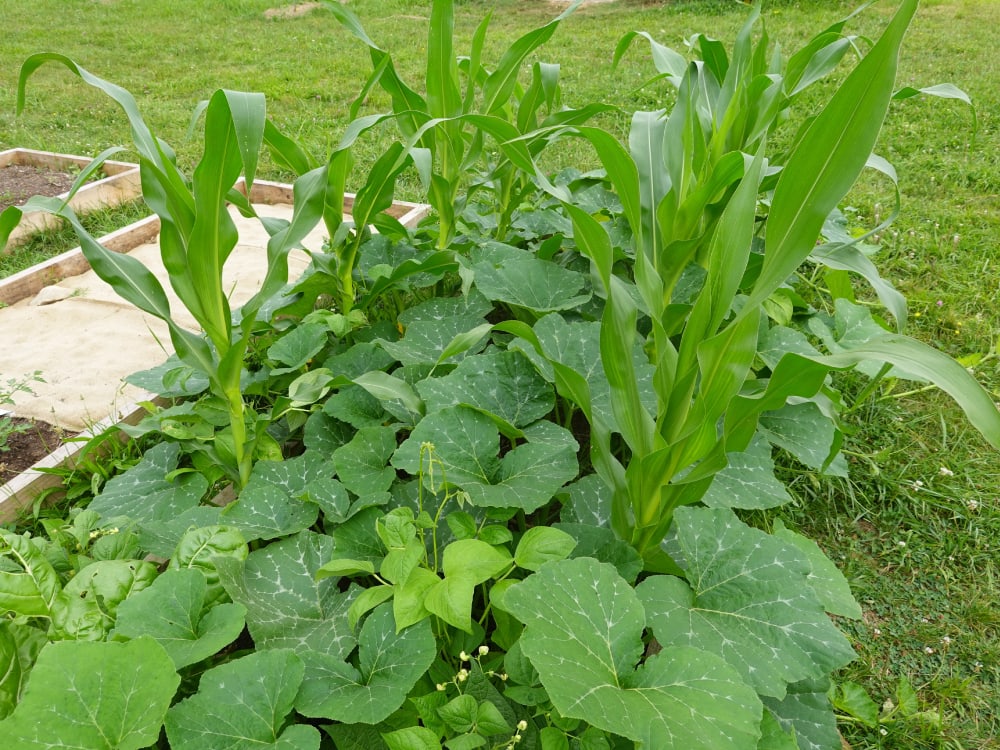
Students will discover why corn, beans, and squash are considered “three sisters” in agriculture.
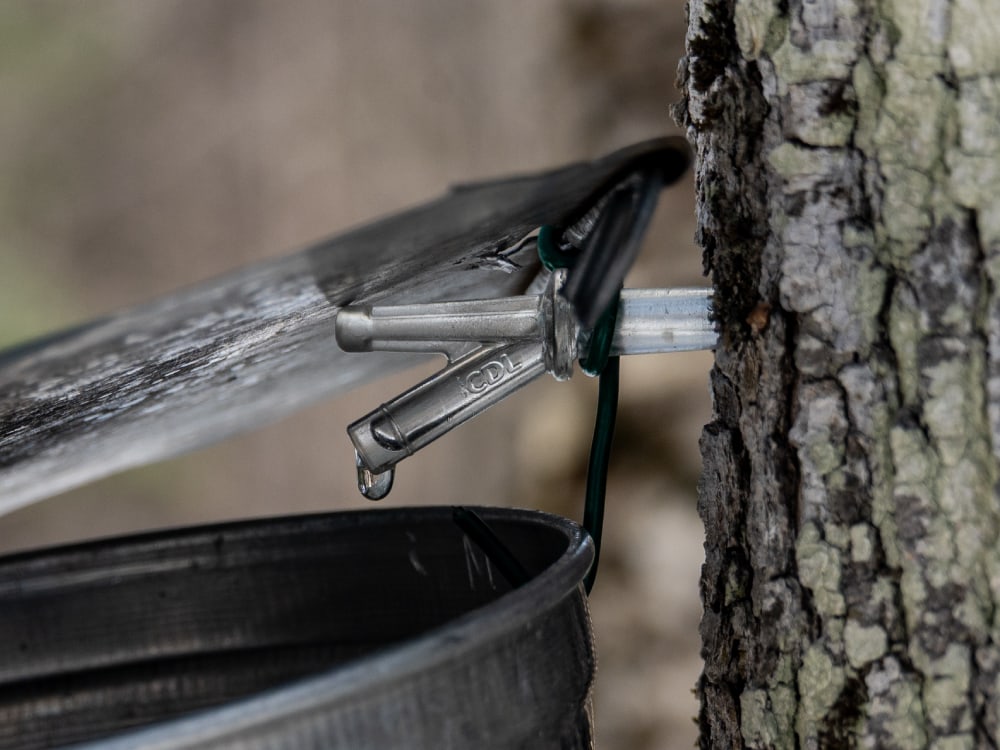
Students will better understand the relationship between climate and its effect on maple syrup production.
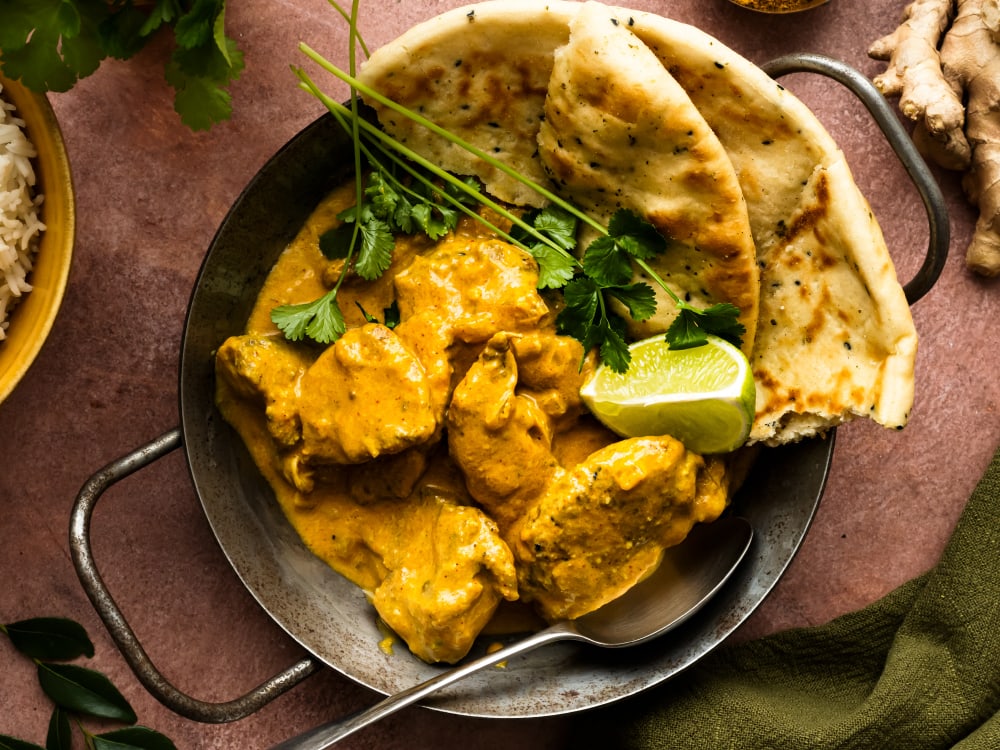
Students will work to convert measurement units, weigh products, and measure by increasing or decreasing ingredients.
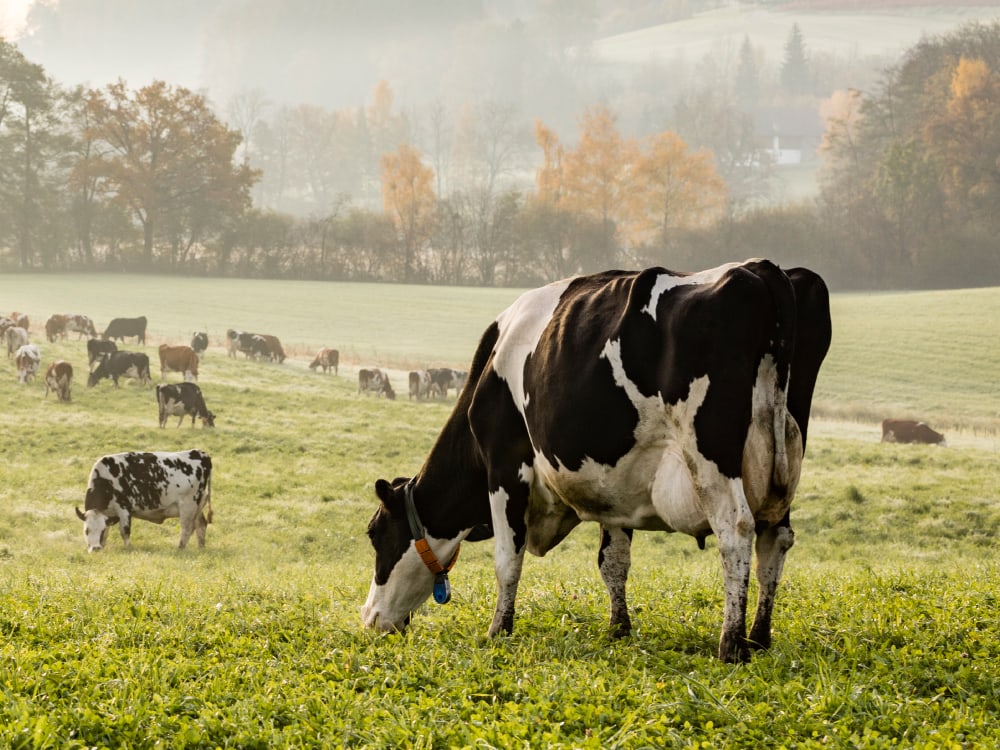
Students will better understand how human activity contributes to climate change.
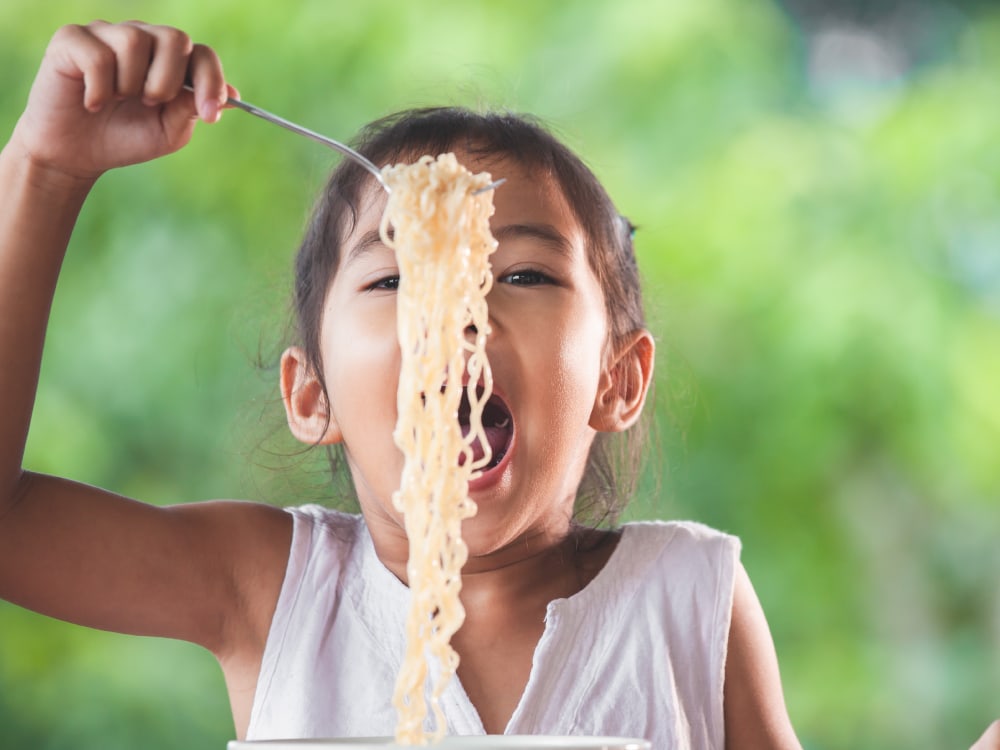
Students will learn about the origins of pasta around the world and how to connect through a common ingredient.
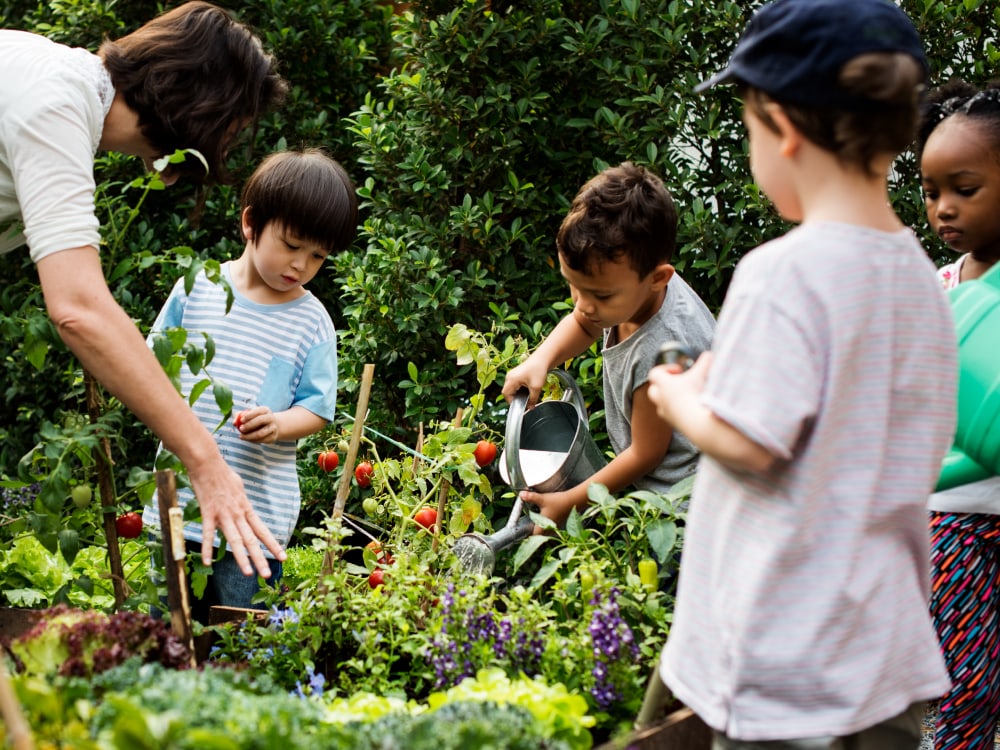
Students will learn how food and the environment are interconnected through the lens of gardening.
Students will learn how food and the environment are interconnected through the lens of gardening.
Students will learn how food and the environment are interconnected through the lens of gardening.
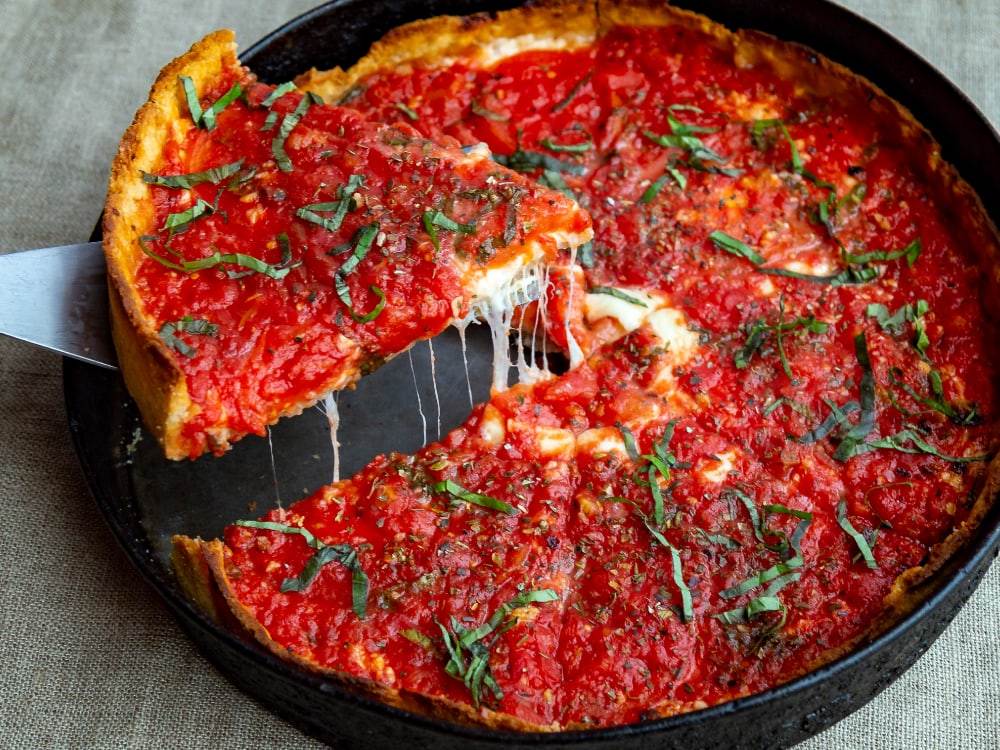
Students will research neighborhoods in their city and create a signature pizza representing to represent.
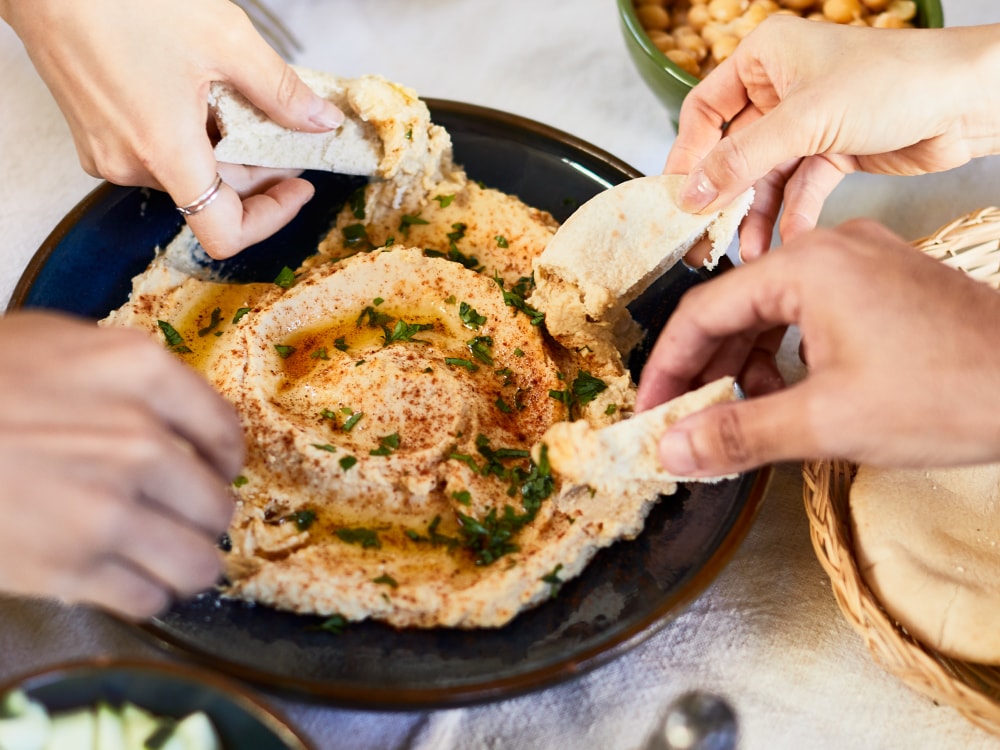
Students will create a recipe similar to one that could be found in a refugee camp, identify living conditions of refugees, recall issues that refugees face concerning food, identify ways to be more understanding of others’ relationship with food, and manipulate recipes using problem-solving skills.
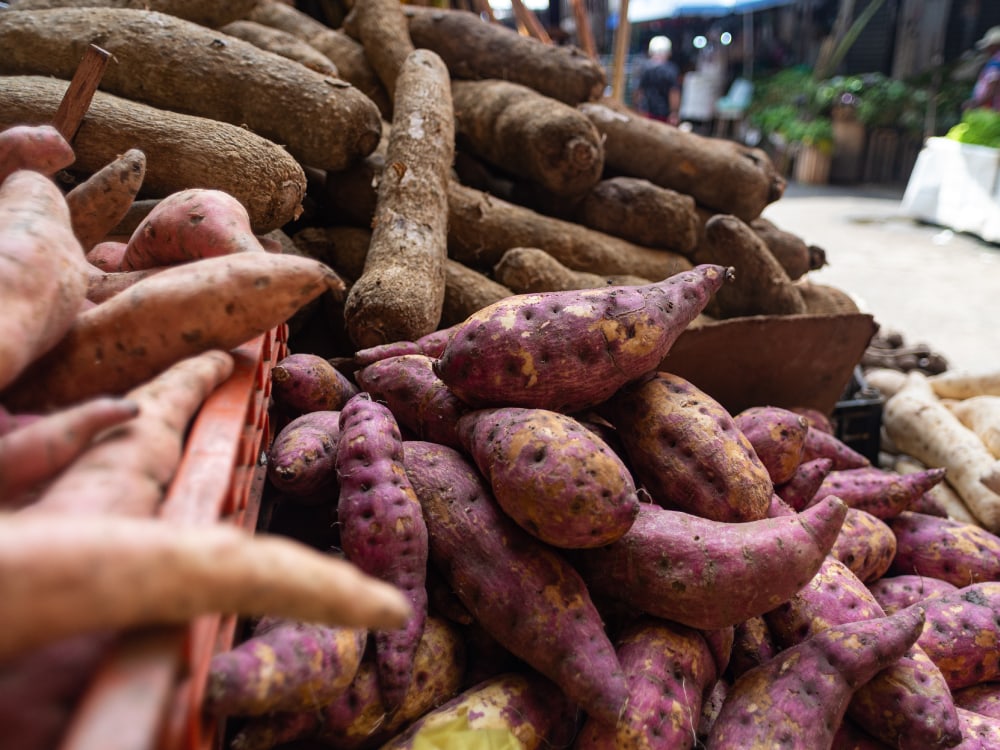
Students will investigate the health benefits, origins, and the ways we consume root vegetables, specifically sweet potatoes & yams.
Students will explore the origins and uses of various kinds of root vegetables.
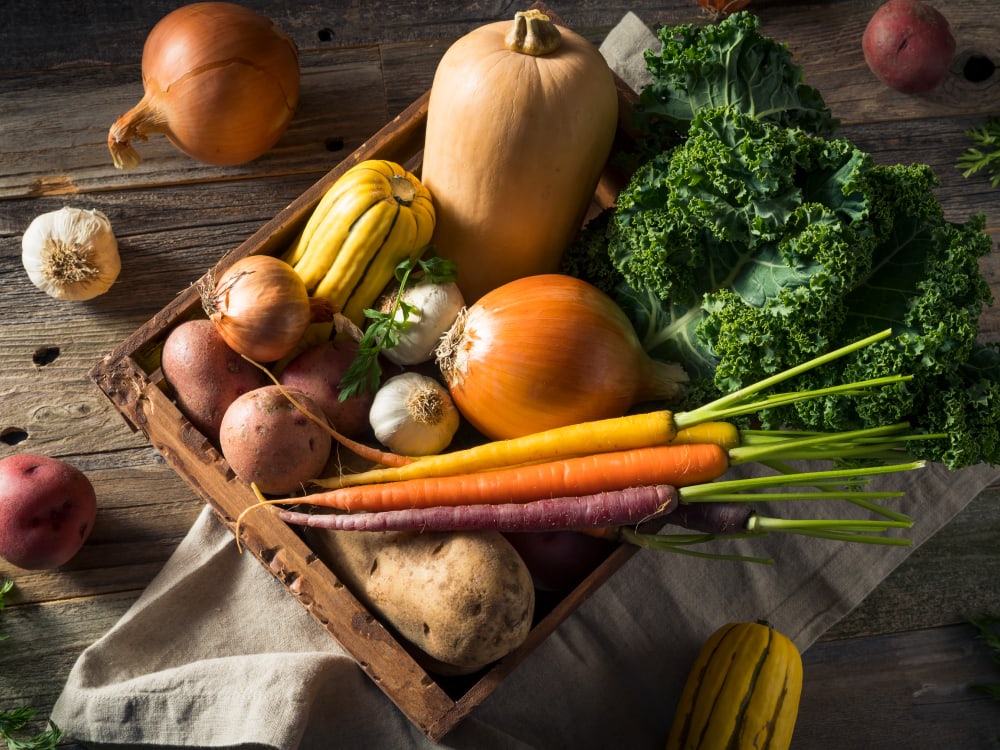
Students will learn about seasonality and taste local produce.
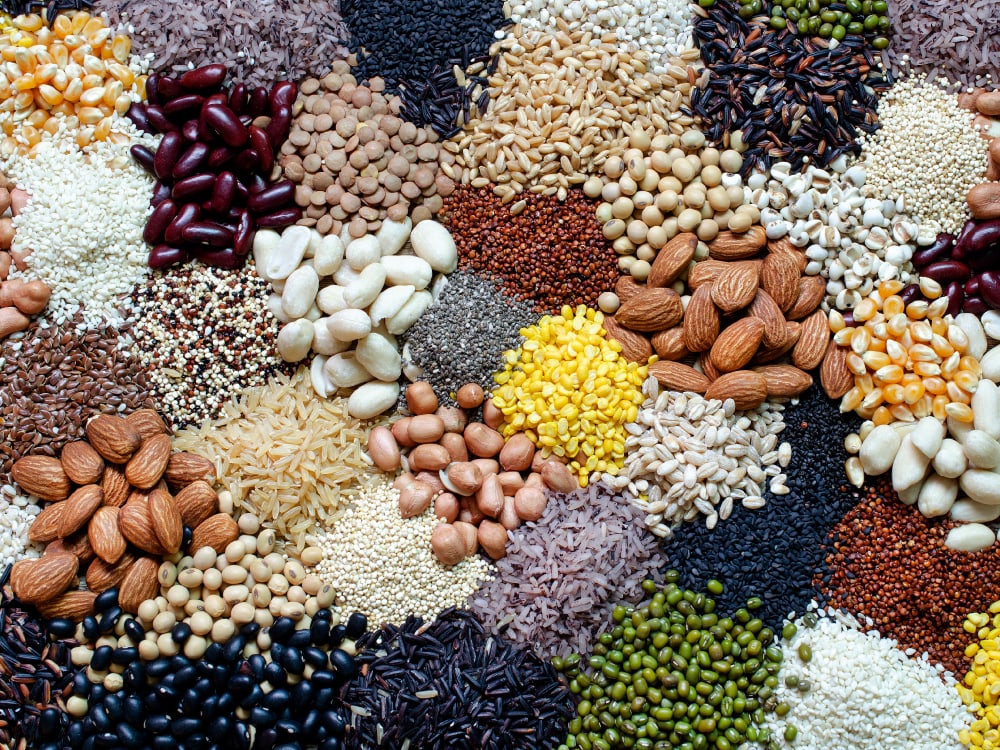
Students will understand how geographical features impact the way we live and the foods that are available to us by mapping seeds, grains, and nuts.
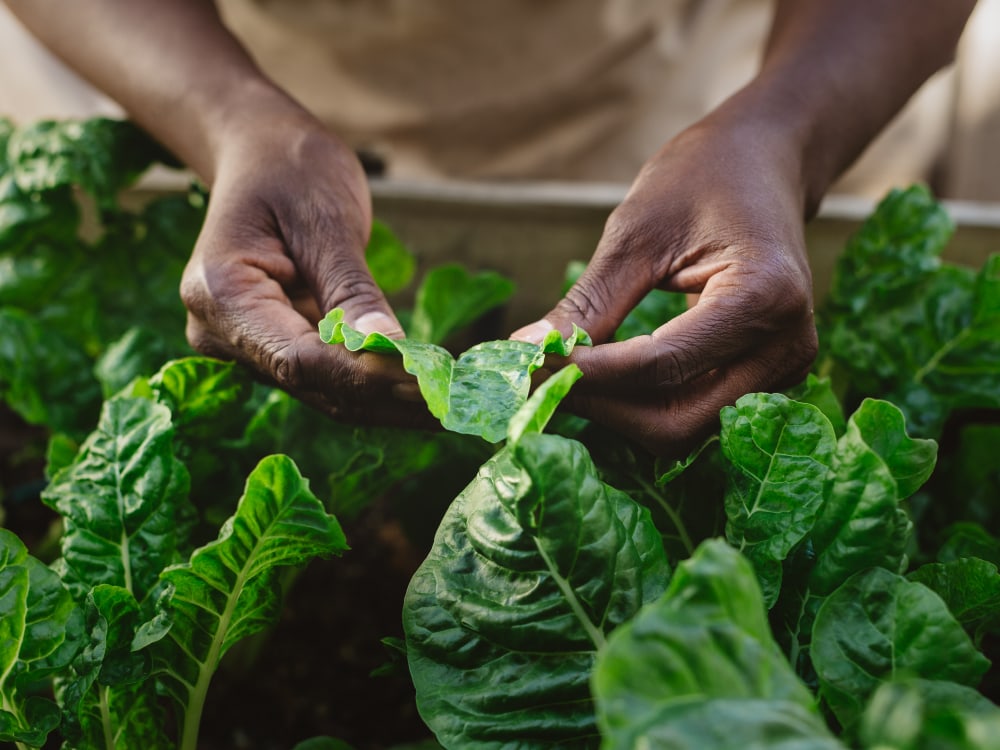
Students will learn how food and the environment are interconnected by reading Sylvia’s Spinach by Katherine Pryor and retelling the steps of how spinach is grown.
Students will learn about how food is grown and practice retelling through the steps of growing and harvesting spinach.
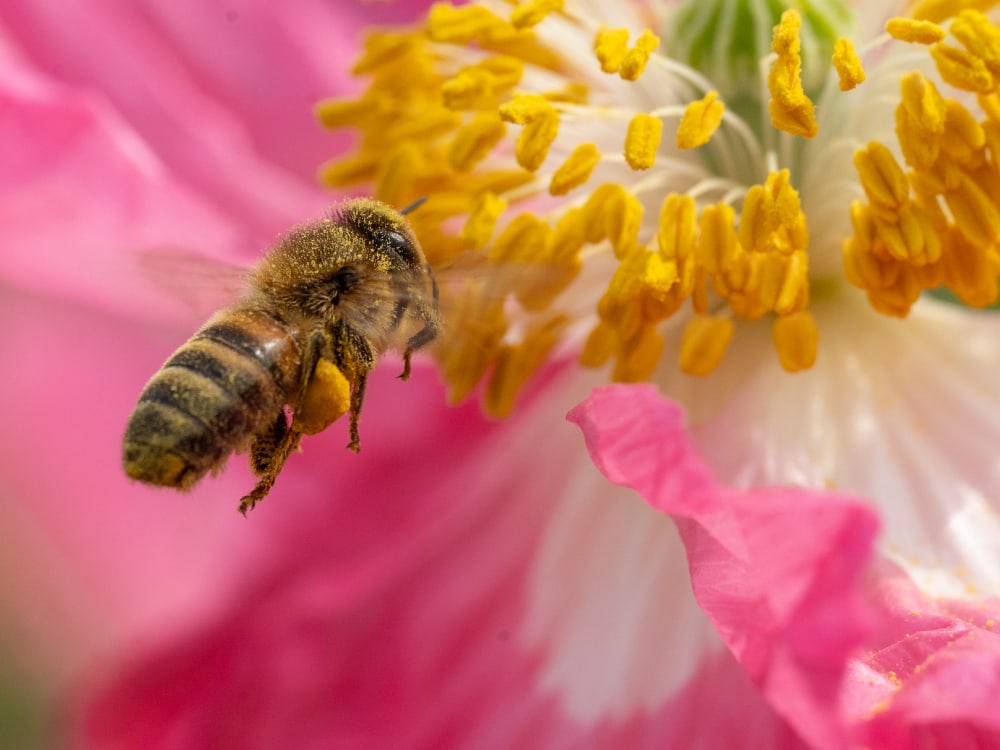
Students will learn about and calculate angles in nature through the lens of honeybees.
Students will compare different kinds of root vegetables, their origins and role in our eating habits.
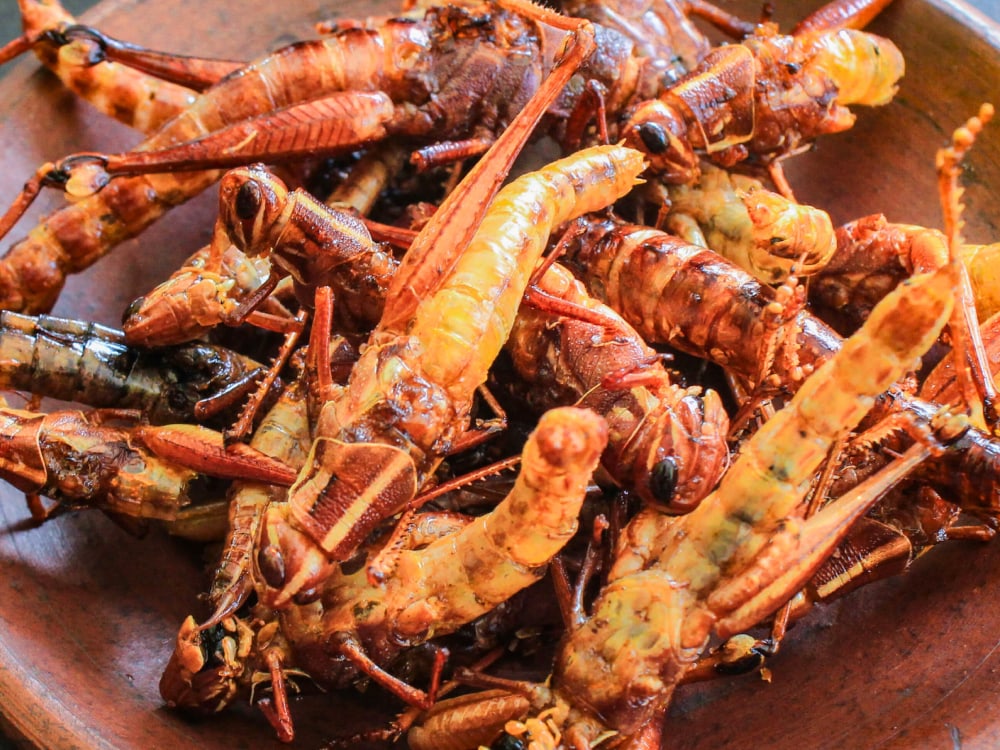
Students will understand the impacts of agriculture on the environment and identify foods that are better for the environment.

Students will understand the impact of food waste and learn ways to reduce food waste.
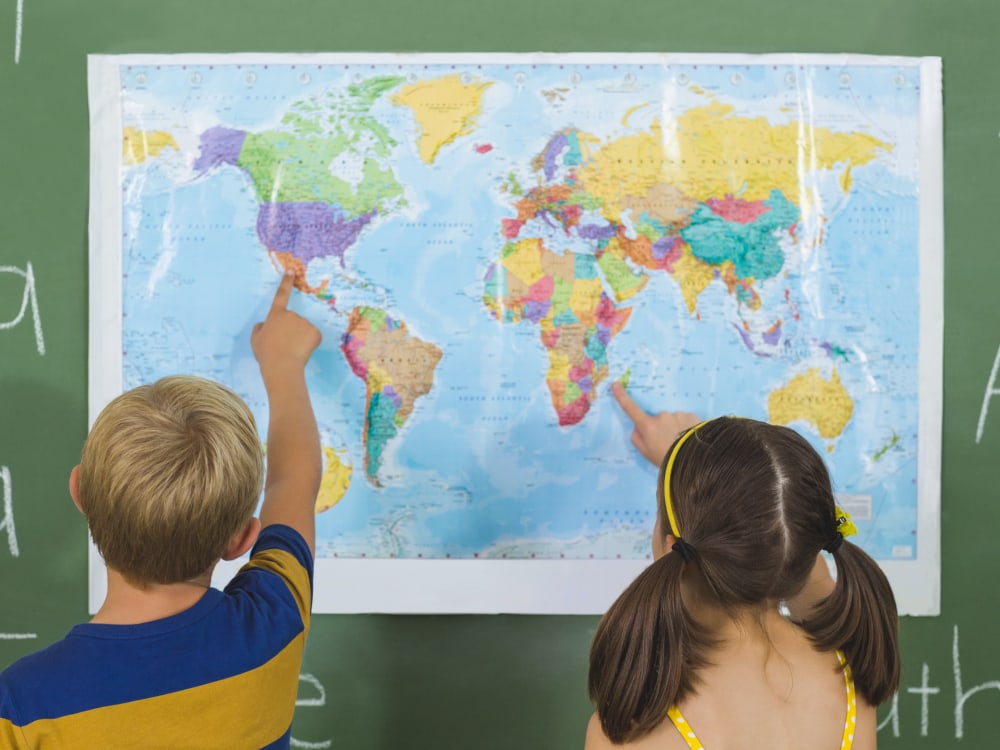
Students will learn more about geography by identifying areas of the world where food is produced and the steps it might take from farm to table.
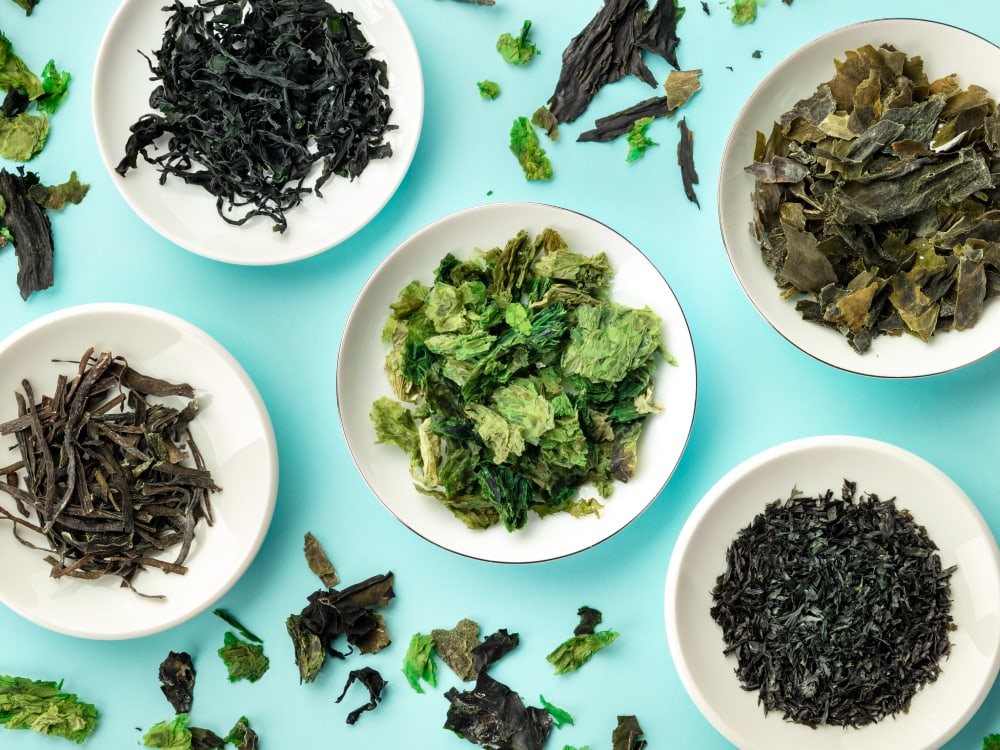
Students will learn about the parts of a seaweed plant, engage in hands-on exploration of seaweed, and learn about its nutritional and environmental benefits.
Be the first to learn about new lessons!